
Last updated November 23, 2026
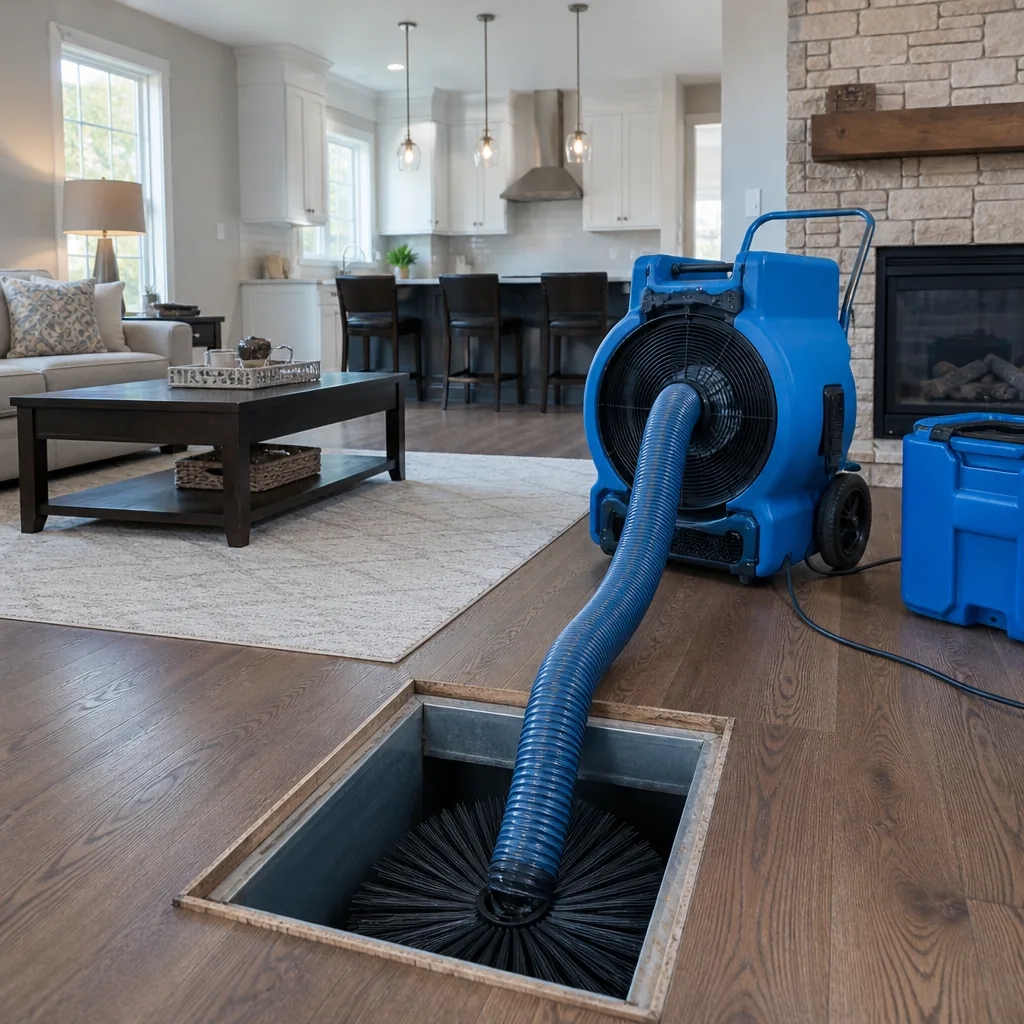 Whole-home duct cleaning
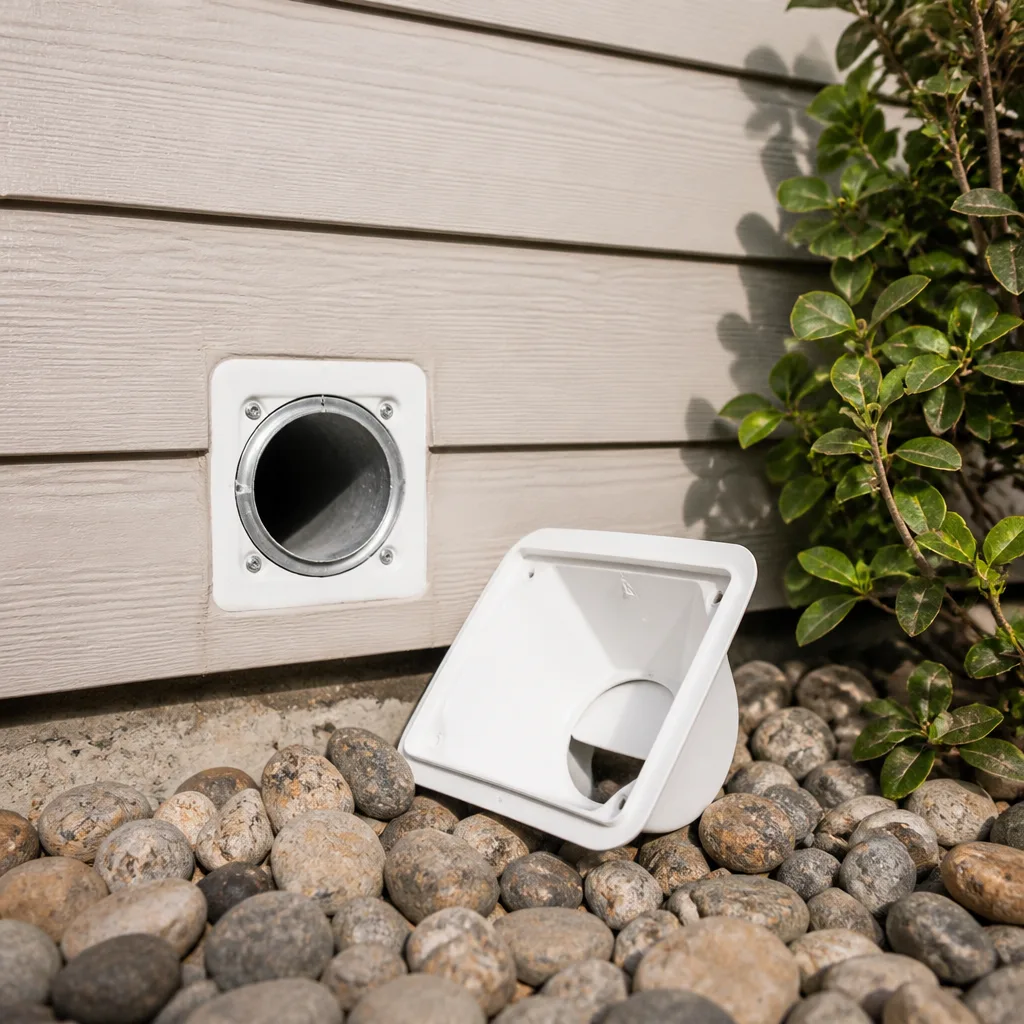 Dryer vent cleaning
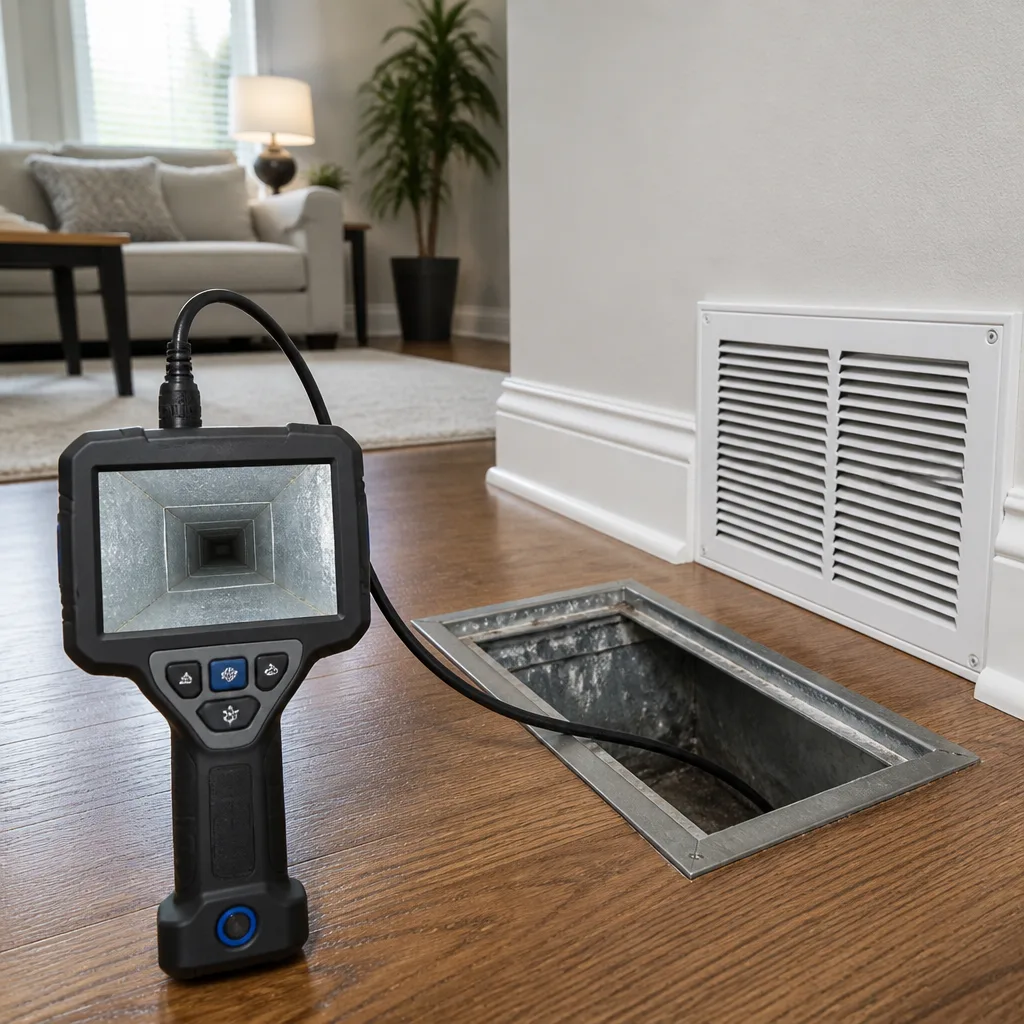 Camera inspection
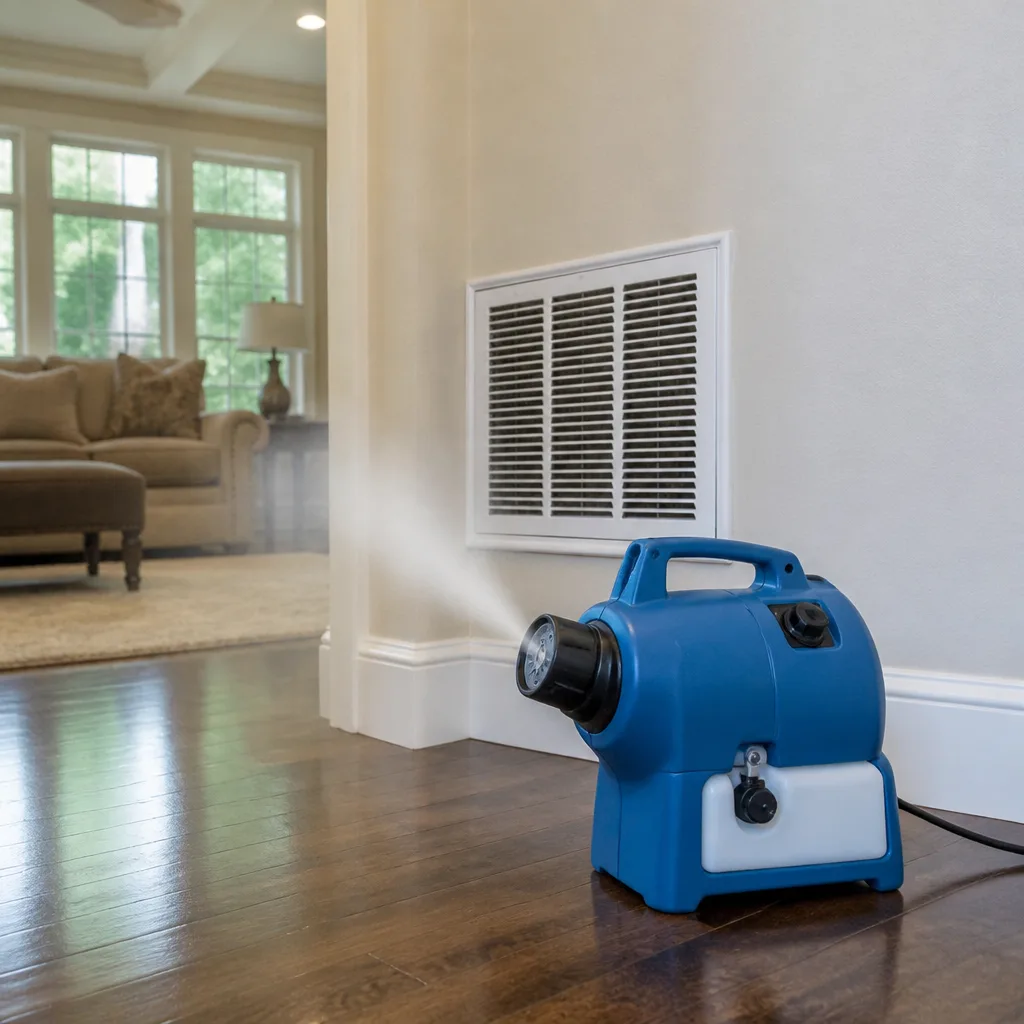 Sanitizing & deodorizing
Whole-system duct and dryer vent check with before-and-after photos - you see exactly what came out of your vents
That "$99 whole-house special" is a bait ad - the real number appears once they are in your hallway, or the "clean" is a shop-vac at the register. We photograph the inside of your ducts before and after instead.
The Complete Guide to Air Duct Cleaning in Portola Springs
Most people assume an older house has the dirtier ducts. In Portola Springs, the opposite is often true. Much of this community went up after 2005, and a new build comes with a duct system that has never been cleaned – one that collected drywall dust, fiberglass fragments, and adhesive particulates during construction and then kept them. That debris doesn’t settle out on its own. This guide maps the actual contamination profile of Portola Springs homes to the equipment and process steps that resolve it, from what accumulates in post-2005 construction to how you confirm the work actually worked.
Quick Answer
Air duct cleaning in Portola Springs means removing the construction debris, regional wildfire ash, and landscaping dust that accumulate in homes built after 2005, using source-containment equipment and agitation tools rather than a shop vacuum. A proper job follows NADCA ACR assessment standards: a before-and-after baseline, mechanical agitation of every branch line, negative-pressure containment, and a post-cleaning verification reading. Whole-system pricing is set per job by a written estimate agreed before work starts.
Styles & brands we work with
- Whole-home duct cleaning
- Dryer vent cleaning
- Camera inspection
- Sanitizing & deodorizing
Table of Contents
- Why Newer Construction Produces Heavier Duct Contamination
- What Actually Accumulates in Portola Springs Ducts
- Wildfire Ash and Sub-Micron Particles: What Standard Extraction Misses
- Rotobrush Agitation vs. Negative-Pressure-Only Systems
- The Seven-Step Cleaning Process We Follow
- How to Read a Pre- and Post-Cleaning Air Quality Baseline
- What NADCA ACR Standards Actually Require
- Duct Repair, Sealing, and Air Quality Upgrades
Why Newer Construction Produces Heavier Duct Contamination
A house built in 2010 isn’t cleaner than one built in 1985. During construction, every cut of drywall, every drilled stud, and every installed cabinet sends fine particulate into the air. The HVAC system is often running while trades finish their work, which pulls that dust directly into the return and pushes it through the supply trunks. Once construction ends, the debris is sealed inside a system that may not see professional cleaning for a decade.
In Portola Springs, where much of the housing stock dates from the mid-2000s forward, this is the defining characteristic of local duct contamination. The buildup is not the soft grey house dust you’d find in a forty-year-old home. It’s a denser, more abrasive mix that clings to duct walls and accumulates at every transition, elbow, and register boot.
Three material categories dominate post-2005 builds:
- Drywall dust and joint compound. Extremely fine, settles into the lowest runs, and re-enters the air supply every time the blower cycles.
- Fiberglass fragments. Shed from duct board, insulation, and unsealed interior liner; these are the particles that trigger the scratchy-throat complaints homeowners describe.
- Adhesive and sealant particulates. Off-gassing residue from construction adhesives, caulks, and flooring installs that coats duct interiors and traps other dust against the metal.
That last category matters more than most people realize. Adhesive residue makes the duct wall slightly tacky, so particles that would normally pass through instead stick and build up in layers. A blower-only cleaning won’t lift them. You need mechanical agitation to break the bond, which is why the equipment choice on a Portola Springs job matters more than the number of vents in the house.
The good news is that newer duct systems are often in better physical condition than older ones, with fewer rusted seams and less disconnected flex. That makes them ideal candidates for a thorough first cleaning, because once the construction debris is removed, the system stays cleaner longer than an older house would. If you’ve owned a Portola Springs home since it was built and never had the ducts cleaned, that first professional pass is the one that resets the baseline.
What Actually Accumulates in Portola Springs Ducts
Construction debris is the foundation layer, but it isn’t the only thing accumulating in a Portola Springs duct system. The local environment adds three more streams on top of it, and understanding the mix is what separates a real cleaning plan from a generic sweep.
The first is landscaping dust. Portola Springs sits in the foothills above Irvine, surrounded by graded slopes and maintained community landscaping. Seasonal brush clearing, mowing, and irrigation work all throw fine mineral dust into the air, and that dust follows the return air into the system. Over a year, it builds a thin silt layer on top of the construction debris – so a duct that was never cleaned after build now has two distinct strata inside it.
The second is ordinary household particulate, amplified by the local climate. Mild winters mean windows stay open more months of the year than in colder regions, and open windows mean more outdoor particulate enters the return. The system doesn’t get the seasonal break that a colder climate provides.
The third is biological growth, which is more common than homeowners expect in a system that has never been assessed. Where condensation forms on cold supply runs and dust provides the food source, mold and mildew can establish themselves in duct liner and at register boots. This is where equipment choice becomes a health issue rather than a housekeeping one.
Here’s what we typically find when we open a Portola Springs system that has never been cleaned:
- Visible drywall dust accumulation in the return trunk and main supply runs
- Fiberglass fragments caught at register boots and in flex transitions
- Landscaping silt layered over the construction debris on horizontal runs
- Adhesive residue creating a tacky film that holds all of the above
- Occasional mold or mildew at condensation points in the supply side
That profile is specific to newer housing in this region, and it’s why a generalist with a shop vacuum struggles here. The debris isn’t loose. It’s bonded, layered, and distributed through every branch line. You can read more about our approach to this kind of work on our Air Duct Cleaning Portola Springs page, or continue with the sections below to understand the equipment and verification steps.
Wildfire Ash and Sub-Micron Particles: What Standard Extraction Misses
Orange County wildfire events push smoke and ash into the region, and that ash doesn’t stay outdoors. It infiltrates through return air, open windows, and every gap in the building envelope. What most homeowners don’t understand is that wildfire ash isn’t uniform dust. It contains a fraction of sub-micron particles – particles small enough to bypass standard filtration and small enough to settle into duct interiors without ever appearing on a register grille.
This is the contamination stream a shop vacuum entirely misses. A shop vacuum generates suction but no real filtration beyond its own bag, and its exhaust actually releases fine particulate back into the room. Even a professional negative-pressure system without adequate filtration can push sub-micron ash back into the living space instead of containing it. The difference between a job that improves air quality and one that makes it briefly worse comes down to the filtration and containment setup.
That’s why we run Abatement Technologies equipment on any job where fine particulate or biological contamination is a concern. That brand is associated with mold remediation and negative-air containment work, which means the filtration is built for particles far smaller than what a routine cleaning encounters. When we clean a Portola Springs system after a smoke event, the containment has to hold that sub-micron fraction inside the equipment, not circulate it through the house.
The practical takeaway for homeowners: if your home has been through a significant wildfire smoke event and the ducts have never been professionally cleaned, standard vacuum extraction isn’t enough. Ask any duct cleaning provider what filtration class their equipment uses and whether they run negative-air containment. If the answer is vague, the sub-micron ash is likely to remain in the system.
For a full picture of how the surrounding region handles this, our HVAC cleaning page covers the coil and blower side, which collects its own share of smoke particulate and needs to be cleaned in the same visit to prevent immediate re-contamination of freshly cleaned ducts.
Rotobrush Agitation vs. Negative-Pressure-Only Systems
Not all duct cleaning equipment does the same job, and the choice between agitation-based cleaning and negative-pressure-only cleaning determines whether the work actually removes bonded debris or just the loose dust on top. Understanding the difference helps you evaluate any quote you receive in Portola Springs.
Negative-pressure-only systems pull air through the ductwork under vacuum, capturing loose dust in a HEPA-filtered containment unit. They work well on systems where contamination is light and un-bonded – new homes that were cleaned properly after construction, or systems cleaned on a regular schedule. They’re a reasonable tool for maintenance cleaning.
Agitation-based systems, like the Rotobrush and Nikro equipment we run, use mechanical brushes, whips, and air jets to physically break bonded debris off the duct walls before extraction. That’s the difference that matters in Portola Springs, where construction debris and adhesive residue have bonded to the interior for years. Pulling air through a tacky, debris-coated duct without agitation leaves most of the contamination in place.
Here’s a simple decision framework for which approach fits a given system:
- Post-construction, never cleaned: agitation required. Bonded drywall dust and adhesive residue won’t lift under vacuum alone.
- Post-wildfire-event, light buildup: containment and filtration matter most; agitation still recommended on horizontal runs.
- Regularly maintained system: negative-pressure extraction with light agitation at key transitions is usually sufficient.
- Visible mold or biological growth: agitation plus remediation-grade containment and sanitizing; a general cleaner shouldn’t touch it.
- Duct board or flex liner: gentler agitation, since aggressive brushes can damage the liner. This is where technique matters as much as equipment.
Any credible provider should be able to tell you which system they use and why. If the answer is “we have a big vacuum,” that tells you a great deal about the outcome. The equipment is the process in this trade, and naming it is the first step toward trusting it.
The Seven-Step Cleaning Process We Follow
A proper duct cleaning in Portola Springs follows a defined sequence, not an ad hoc sweep. The steps exist because each one prevents the next from failing. Skipping one undermines the rest of the job.
- Assessment and baseline. Before any cleaning starts, we document the system layout, identify duct material in each section, and take air quality readings. That baseline is the reference point for everything that follows.
- Containment setup. We seal registers and connect the negative-pressure unit with proper filtration, so loosened debris has exactly one destination: the collection system, not your living room.
- Mechanical agitation. Using Rotobrush and Nikro equipment, we agitate every branch line from the trunk outward, breaking construction debris, silt, and adhesive residue off the duct walls.
- Extraction. The loosened material is pulled into the collection system under sustained negative pressure. On jobs with heavy fine particulate, we run Abatement Technologies filtration to capture the sub-micron fraction.
- Coil and blower cleaning. The HVAC air handler is cleaned in the same visit. If the coil and blower hold their own dust load, the freshly cleaned ducts re-contaminate within weeks.
- Sanitizing. Where assessment shows biological growth or where the homeowner requests it, we apply a duct-safe sanitizing treatment using Guardsman-line products formulated for duct interiors.
- Verification. We take post-cleaning readings and provide before-and-after documentation of the duct interiors so the homeowner can see what changed. The job isn’t finished until the numbers show it worked.
That sequence is standard for a professional job, and it’s also what NADCA’s assessment standards point toward. The point isn’t to make the process sound impressive. It’s that every step has an observable output, and a provider who can’t describe those outputs isn’t following the process. Our air duct cleaning service is built around this sequence, which is why we quote a flat price per system rather than a number per vent.
How to Read a Pre- and Post-Cleaning Air Quality Baseline
The single most useful way to know whether a duct cleaning actually worked is a comparison of air quality measurements taken before and after. Without a baseline, you’re relying on a technician’s word. With one, you have a record.
Here’s how to interpret those readings. A baseline reading captures two things: the particulate load in the air at the time of measurement, and the specific conditions in the system – duct material, contamination level per section, and any visible biological growth. Taken together, they establish the starting point. A post-cleaning reading, taken under similar conditions after the system has run for a period, shows what changed.
Three things to look for:
- Particulate count drop. A meaningful reduction between the two readings shows the cleaning removed what was actually in the system, not just what was visible.
- Consistency across rooms. If one room still reads high after cleaning, its branch line or register boot may have been skipped – a common failure of per-vent pricing models.
- Visual documentation. A quality provider shows you photos of the duct interiors before and after. Numbers tell you something changed; photos show you what changed.
In our experience, homes in Portola Springs that have never been cleaned show the largest before-and-after gap, because there’s simply more material to remove. Homes cleaned on a regular schedule show a smaller but still meaningful drop, mainly from the seasonal silt that accumulates between cleanings. Either way, the comparison is the proof. Ask for it in writing, with photos, before you book the job.
What NADCA ACR Standards Actually Require
NADCA – the National Air Duct Cleaners Association – publishes assessment, cleaning, and restoration standards that define what a professional duct cleaning job should include. Most local providers advertising duct cleaning in Portola Springs don’t follow them. That gap is the single largest quality difference in this market.
The standards require, in general terms:
- Assessment before cleaning. The provider evaluates the system and documents conditions before deciding on a cleaning approach. A lighting and inspection step isn’t optional.
- Source removal. Contaminants must be removed from the system, not merely redistributed in the air or pushed into the return.
- Containment. The cleaning must be performed without contaminating the occupied space. This means negative pressure and proper filtration.
- Cleaning of all components. Every part of the system that can collect dust gets cleaned, including the air handler, coils, and blower.
- Verification. The job is documented as complete based on evaluation, not on the technician’s satisfaction.
What many local “duct cleaners” actually do is a fraction of that: a truck-mounted vacuum connected at one register, maybe an agitation wand in the trunk line, and a promise that the ducts are clean. No assessment, no documentation, no containment, and often no cleaning of the coil or blower. That’s not a duct cleaning. It’s a partial extraction that leaves most of the contamination in place – and it’s why this industry has a reputation problem.
When you receive a quote in Portola Springs, ask these questions directly:
- Do you perform an assessment and document conditions before cleaning?
- What filtration class does your containment equipment use?
- Do you clean the coil and blower in the same visit?
- Will I receive before-and-after photos and readings?
- Do you follow NADCA standards, and can you describe what that means in practice?
A provider who can answer all five clearly is following the standards. A provider who waves the questions off is not. That’s the test worth applying before you let anyone near your duct system.
Duct Repair, Sealing, and Air Quality Upgrades
Clean ducts are only half the solution. A duct system that leaks at every joint loses conditioned air into walls and attics, pulls unconditioned air back in through the same gaps, and re-contaminates itself within weeks of a cleaning. This is the piece most duct cleaning companies leave out, and it’s why we treat Duct Repair & Sealing as a standalone service rather than an upsell.
In Portola Springs homes, the most common sealing issues we find are disconnected flex runs at register boots, poorly sealed trunk joints, and gaps where the duct system meets the air handler. Those gaps don’t just lose efficiency – they pull in dust from unconditioned space, which means the system you just cleaned is immediately pulling in new contamination. Sealing closes that loop.
We also stock and install air quality hardware from Honeywell and Aprilaire, which means a cleaning visit can extend into a system upgrade in the same appointment. That matters for Portola Springs homeowners dealing with allergy triggers or extended wildfire season. A properly sized filtration system or a whole-home air cleaner reduces what enters the ducts in the first place, so the cleaning holds for longer. Two things you can add to a cleaning plan:
- Whole-home filtration or air cleaning hardware installed and serviced by a provider that handles both the ductwork and the equipment – Honeywell and Aprilaire components integrate directly into most residential systems.
- Duct sealing at the joints and boots to eliminate the infiltration path that pulls new dust back into a freshly cleaned system.
None of this is a hard sell. What it is, honestly, is the systemic answer. Cleaning addresses what’s in the ducts today. Sealing and filtration address what gets in tomorrow. For a Portola Springs home built in the last two decades, doing one without the other leaves the job half-finished. Our dryer vent cleaning service follows the same principle on the vent side, where lint buildup and a disconnected run create both a fire hazard and an efficiency loss that no duct cleaning will touch.
Common Mistakes to Avoid
- Assuming a newer home doesn’t need cleaning. A house built in Portola Springs after 2005 may never have had its ducts professionally cleaned, and construction debris can persist in a system for a decade. Newer doesn’t mean clean.
- Accepting per-vent pricing. A quote based on how many vents you have incentivizes the provider to clean only the easy ones. Flat pricing per system means every branch gets cleaned, not just the ones within reach.
- Booking a coupon price that grows on site. A low advertised figure that becomes a much larger invoice once the technician arrives is this industry’s signature move. A written estimate agreed before work starts protects you from that entirely.
- Skipping the coil and blower. A duct cleaning that leaves the air handler untouched is a partial job. The coil and blower hold their own debris load and re-contaminate the system within weeks.
- Not asking about filtration or containment. A shop vacuum or bare negative-pressure unit pushes fine particulate back into the living space. For Portola Springs homes after a wildfire smoke event, that’s a health concern, not a technicality.
- Believing the ducts are clean because the technician says so. Without a baseline reading and before-and-after photos, you have no way to verify the work was done. Ask for documentation.
- Cleaning without addressing duct leaks. A cleaned system with leaky joints pulls new dust straight back in. Sealing is what makes the cleaning last.
See the difference
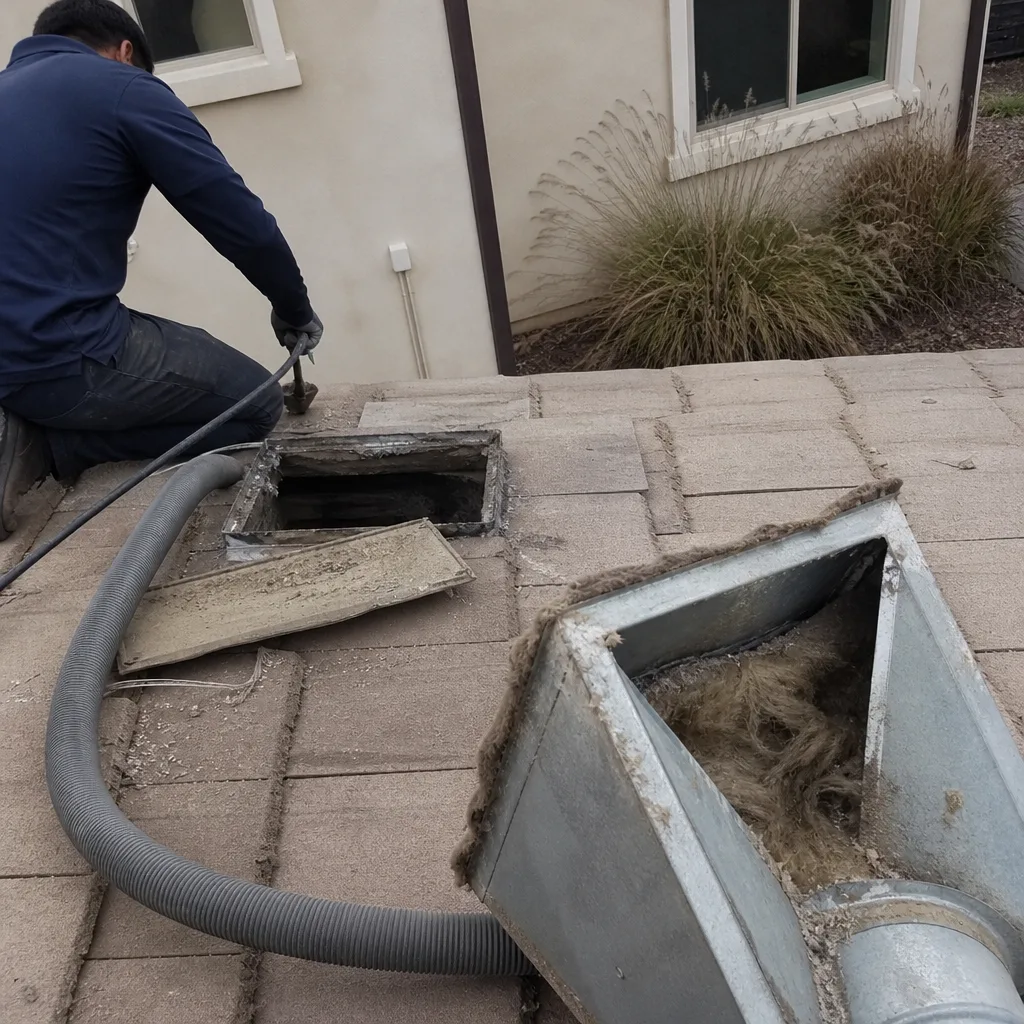 Before
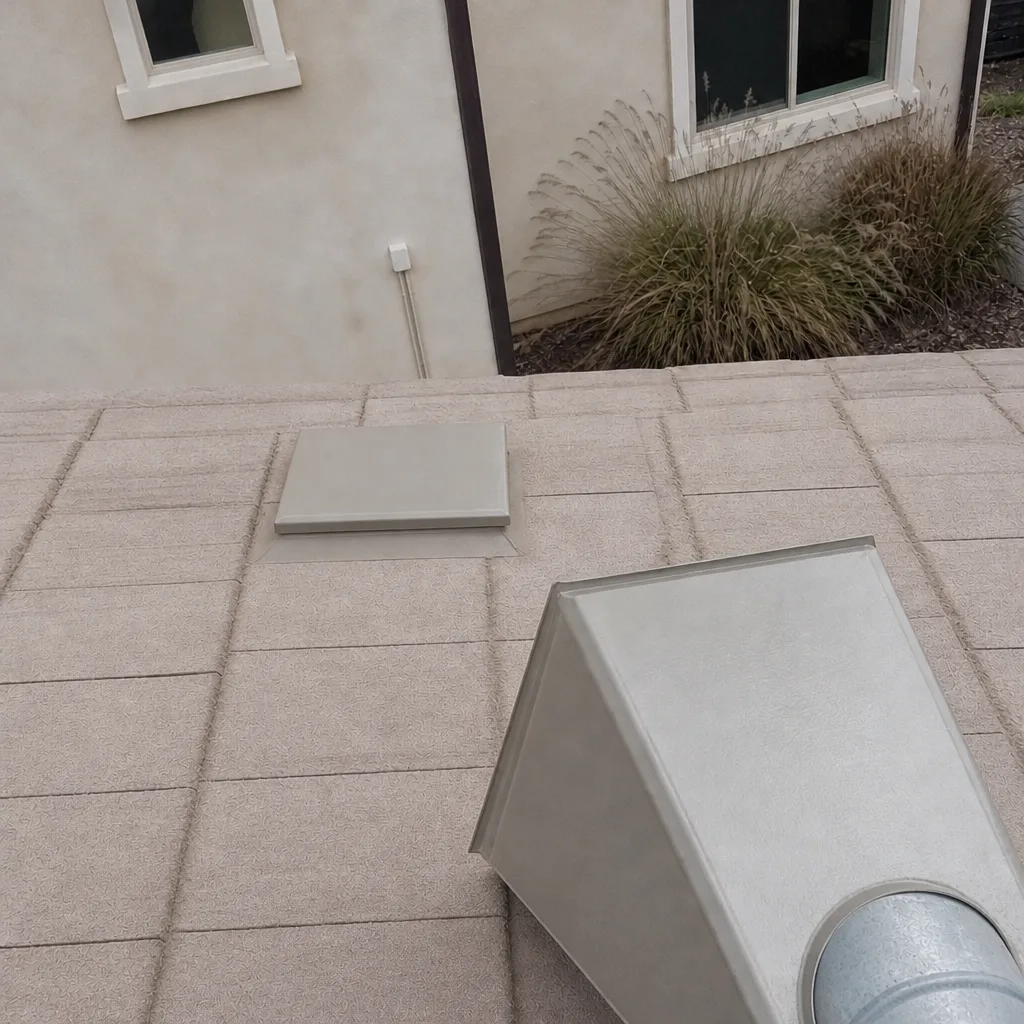 After
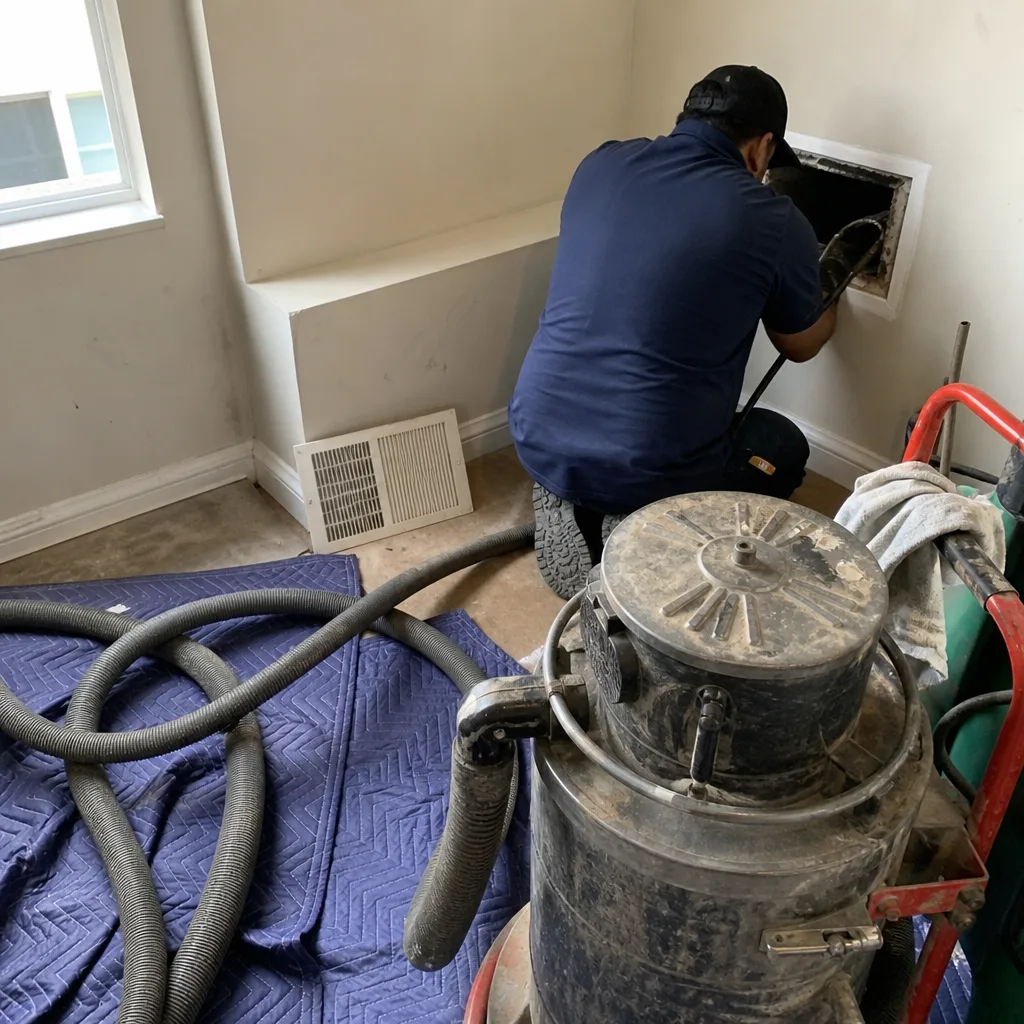 Before
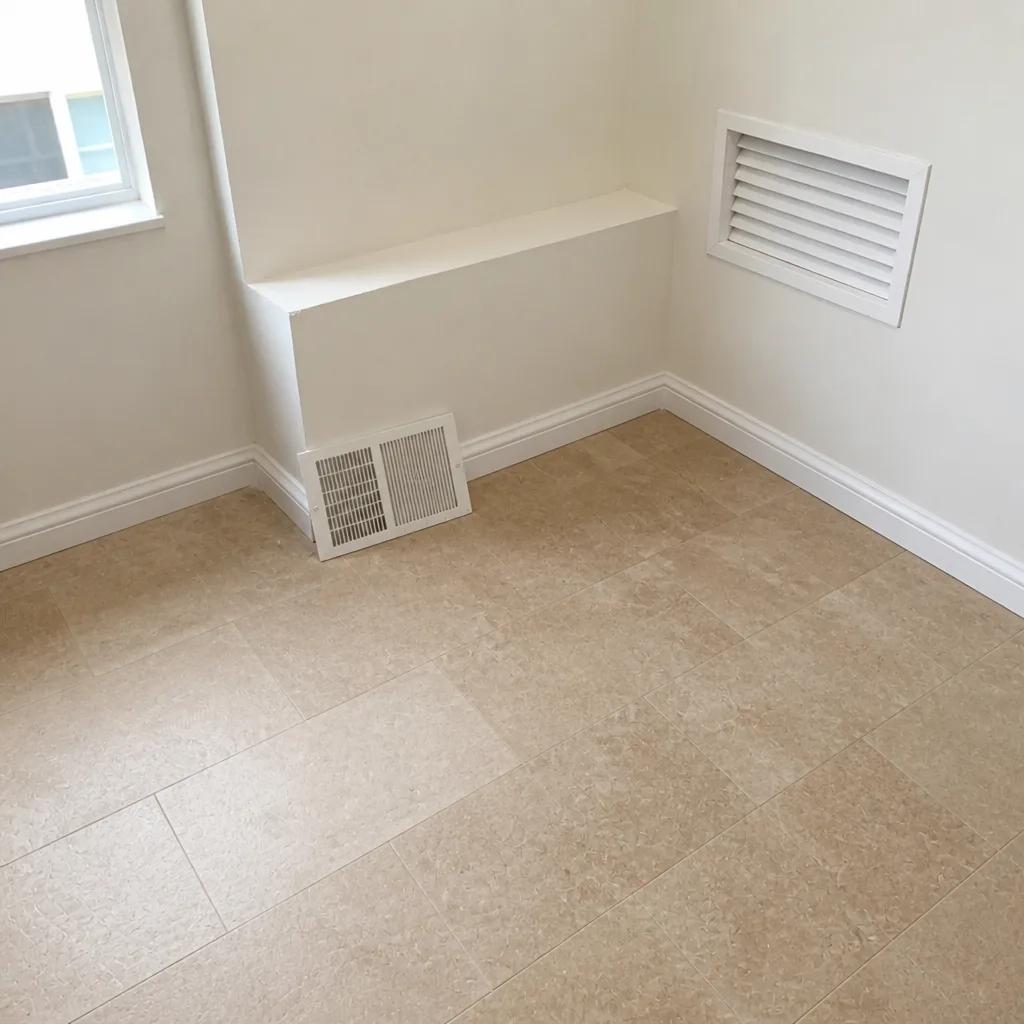 After
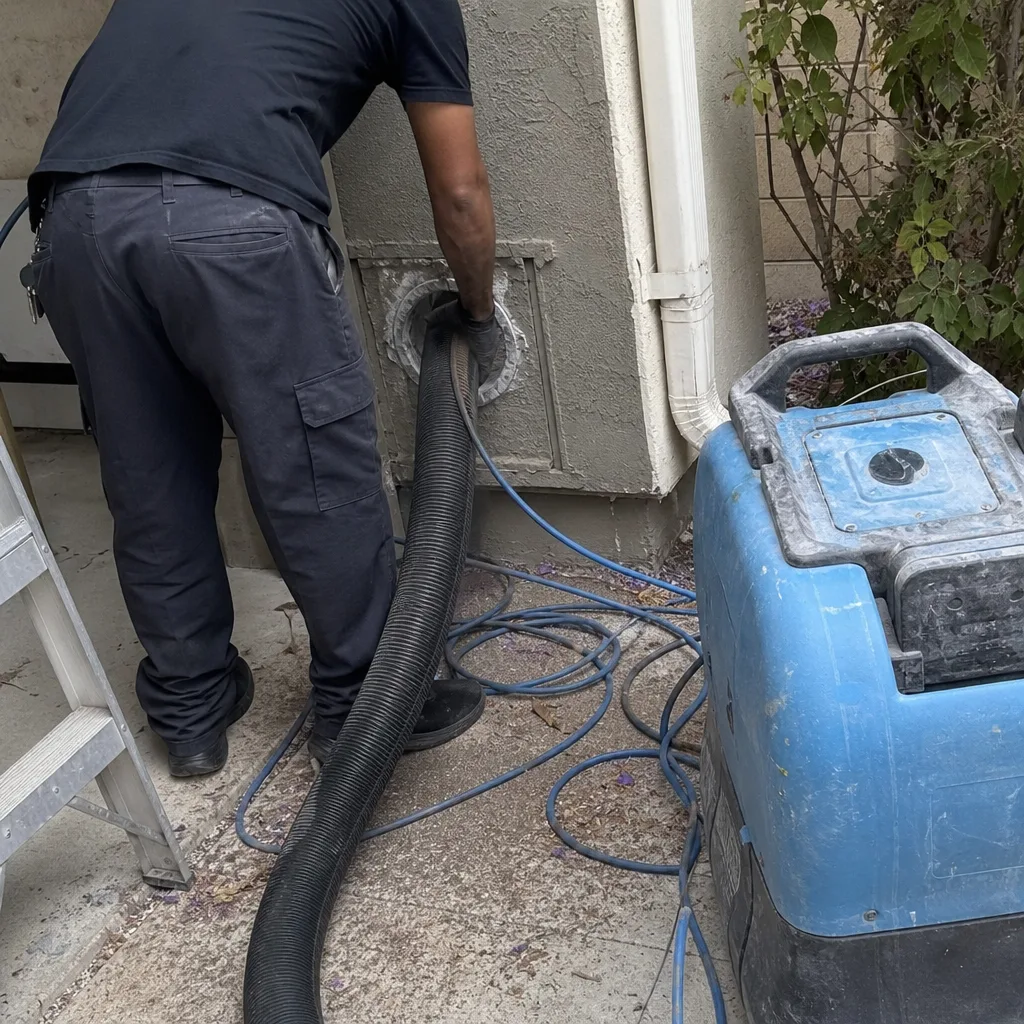 Before
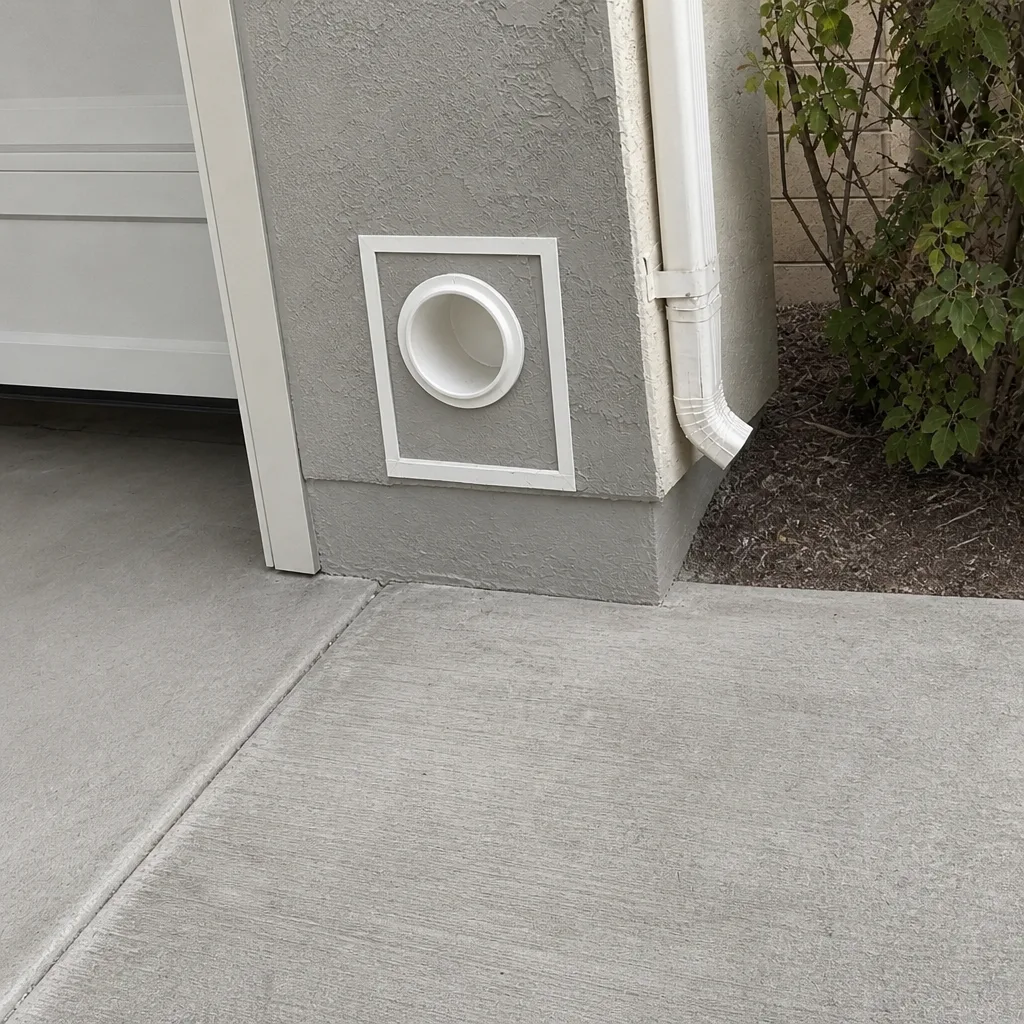 After
When to Call a Professional
You don’t need a duct cleaning every year, and anyone who tells you otherwise is selling maintenance, not solving a problem. But some conditions clearly call for a professional assessment. If your Portola Springs home was built after 2005 and the ducts have never been cleaned, that’s a call worth making. If you’ve been through a significant wildfire smoke event and your ducts haven’t been cleaned since, that’s another. Visible dust discharging from registers when the HVAC kicks on, a musty odor when the blower runs, or allergy symptoms that clear when you leave the house all point to a system that needs professional attention.
Air Duct Cleaning Portola Springs offers free estimates in Portola Springs – call (844) 685-3117. We answer 24/7. Fast dispatch from 7am to 7pm, Sunday through Friday. A local pro who is licensed and insured as their state requires will assess the system on site, take a baseline reading, and quote a flat price per system before any work begins.
Frequently Asked Questions
Air duct cleaning in Portola Springs is priced per system by written estimate, not per vent or by coupon figure. The estimate reflects the size of the system, the duct material, and the level of contamination – a home that’s never been cleaned since build requires more work than one cleaned on a schedule. Call (844) 685-3117 for an exact quote – estimates are free.
Cheap quotes usually reflect a partial job: a truck-mounted vacuum connected at one register, no assessment, no containment, no coil or blower cleaning, and no documentation. The low price is real – it just doesn’t buy a cleaning that addresses the bonded construction debris and wildfire ash actually in the system. Call (844) 685-3117 for an exact quote that covers the full job – estimates are free.
Before-and-after air quality readings, taken as a baseline and again after cleaning, plus photo documentation of the duct interiors. Those two records show what was removed and confirm that every branch was addressed. Without them, you’re relying on the technician’s word. Ask any provider for both before you book.
Most homes don’t need annual cleaning. A system cleaned properly and then kept sealed generally holds for several years, with only the coil and filter needing regular attention. Homes in Portola Springs with heavy landscaping dust, wildfire smoke exposure, or a first clean after construction may warrant a follow-up sooner. Call (844) 685-3117 for an assessment – estimates are free.
Often yes, and more than in an older home – a building constructed after 2005 collected drywall dust, fiberglass, and adhesive residue during construction, and if the system was never professionally cleaned, that debris is still inside. A first cleaning on a newer home often produces the largest visible difference.
Yes. Duct Repair & Sealing is a standalone service we handle on its own or alongside a cleaning visit. Sealing joints, boots, and trunk connections eliminates the infiltration path that pulls new dust into a freshly cleaned system. Call (844) 685-3117 to discuss both in a single estimate.
The Bottom Line
The contamination inside a Portola Springs duct system is specific: construction debris from post-2005 build, wildfire ash from regional smoke events, landscaping silt from the surrounding foothills, all bonded to duct interiors by adhesive residue and sealed in by years without cleaning. Standard extraction doesn’t touch it. Mechanical agitation with Rotobrush and Nikro equipment, Abatement Technologies containment for fine particulate, coil and blower cleaning, verification with before-and-after readings, and duct sealing to stop re-contamination – that’s the sequence that resolves it. One flat price per system, agreed in writing before work starts, and photos of your own ducts when the job is done.
Contact
If your Portola Springs home hasn’t had its ducts professionally assessed, or if you’re dealing with the aftermath of a wildfire smoke event or persistent allergy symptoms, call us for a free estimate. Air Duct Cleaning Portola Springs offers free estimates in Portola Springs – call (844) 685-3117. We answer 24/7. Fast dispatch from 7am to 7pm, Sunday through Friday. A local pro who is licensed and insured as their state requires will assess the system on site and quote a flat price per system before any work begins.
Written by the team at Air Duct Cleaning Portola Springs.