
Last updated November 23, 2026
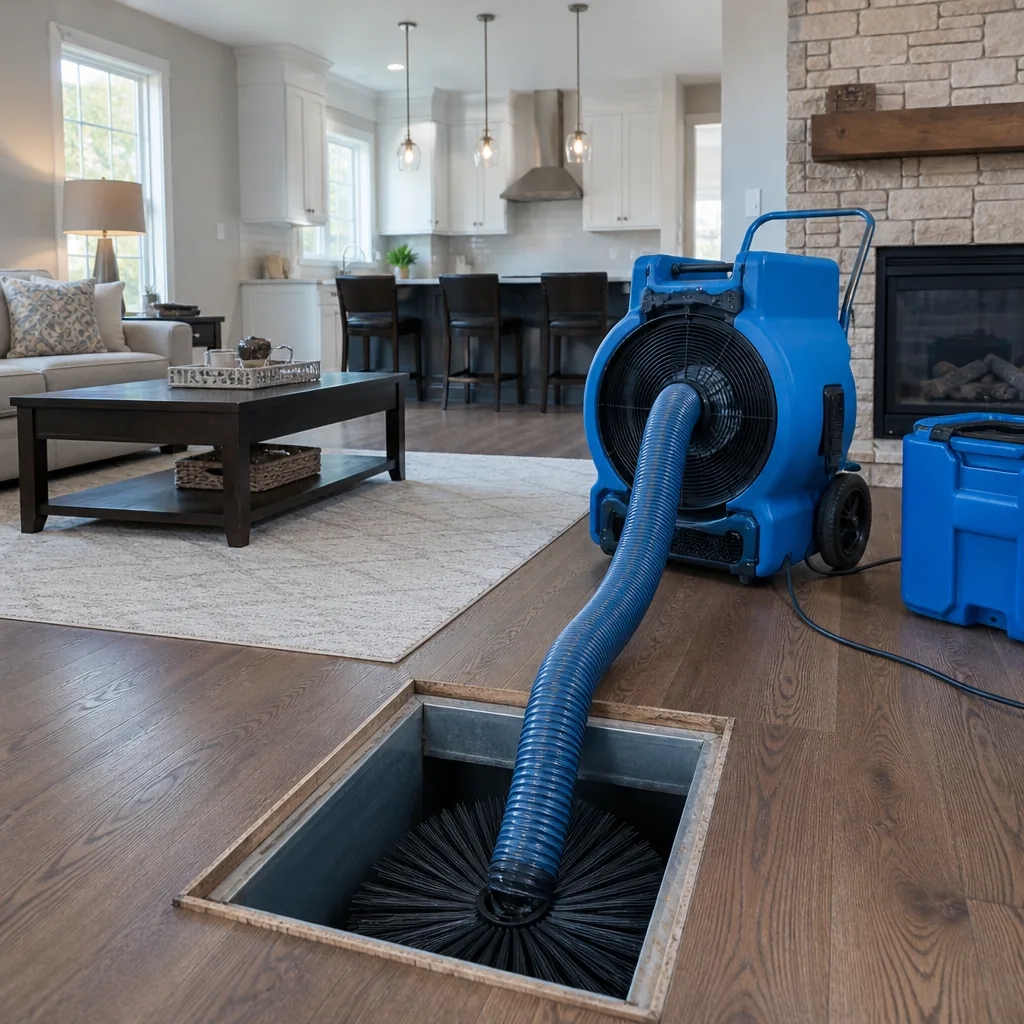 Whole-home duct cleaning
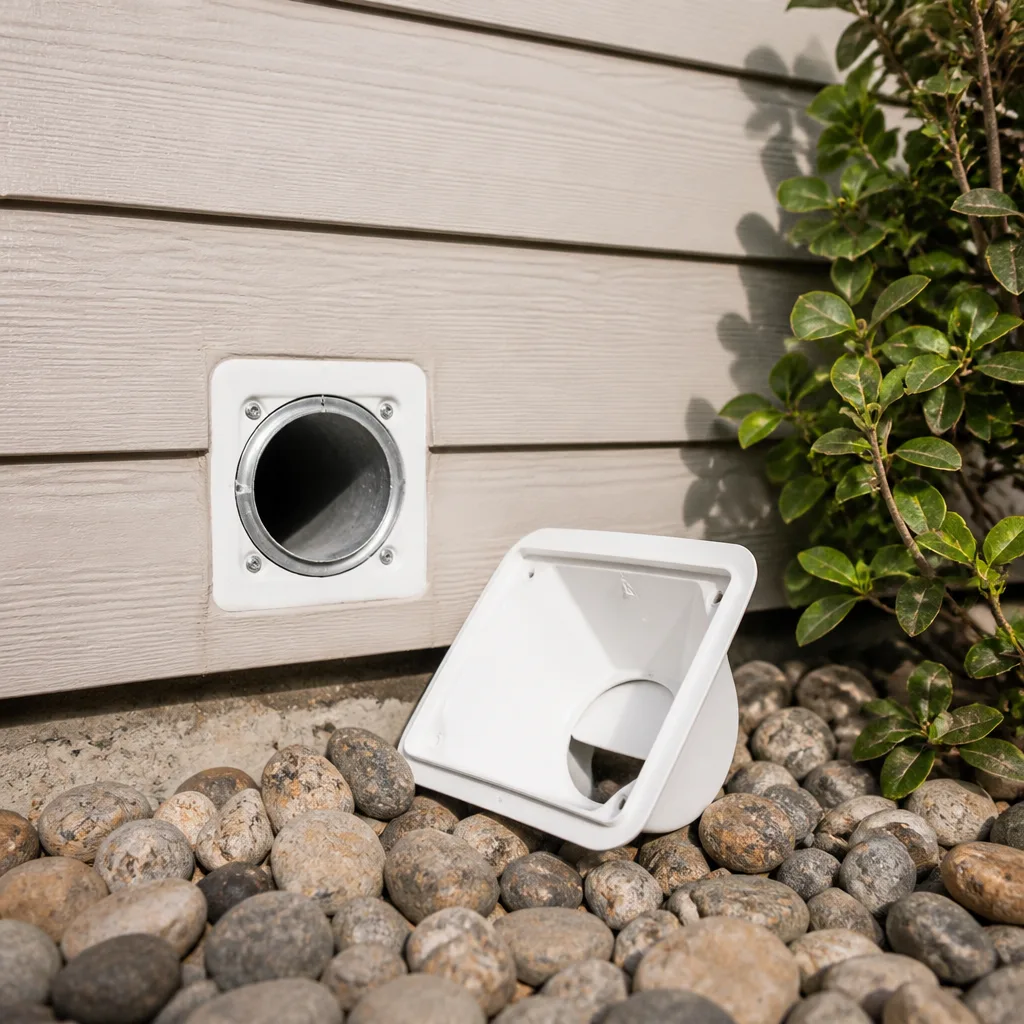 Dryer vent cleaning
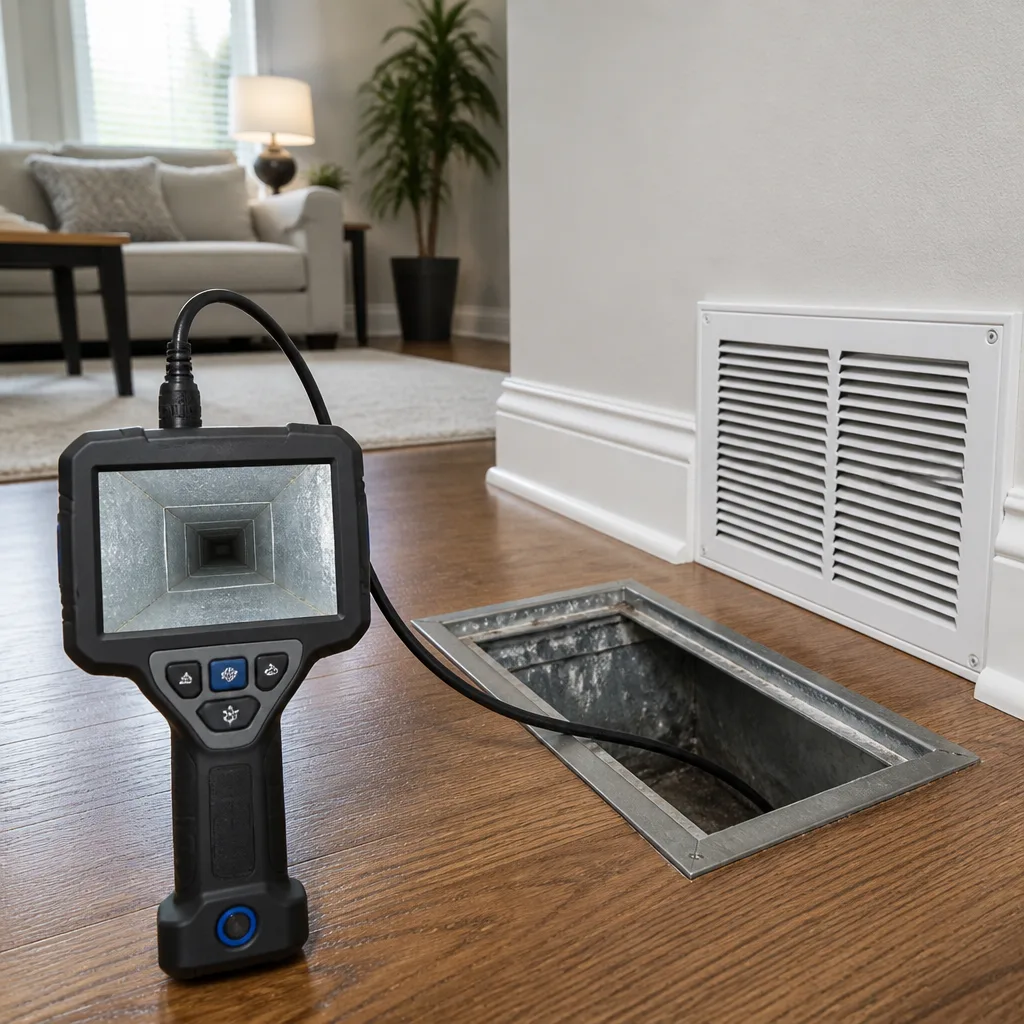 Camera inspection
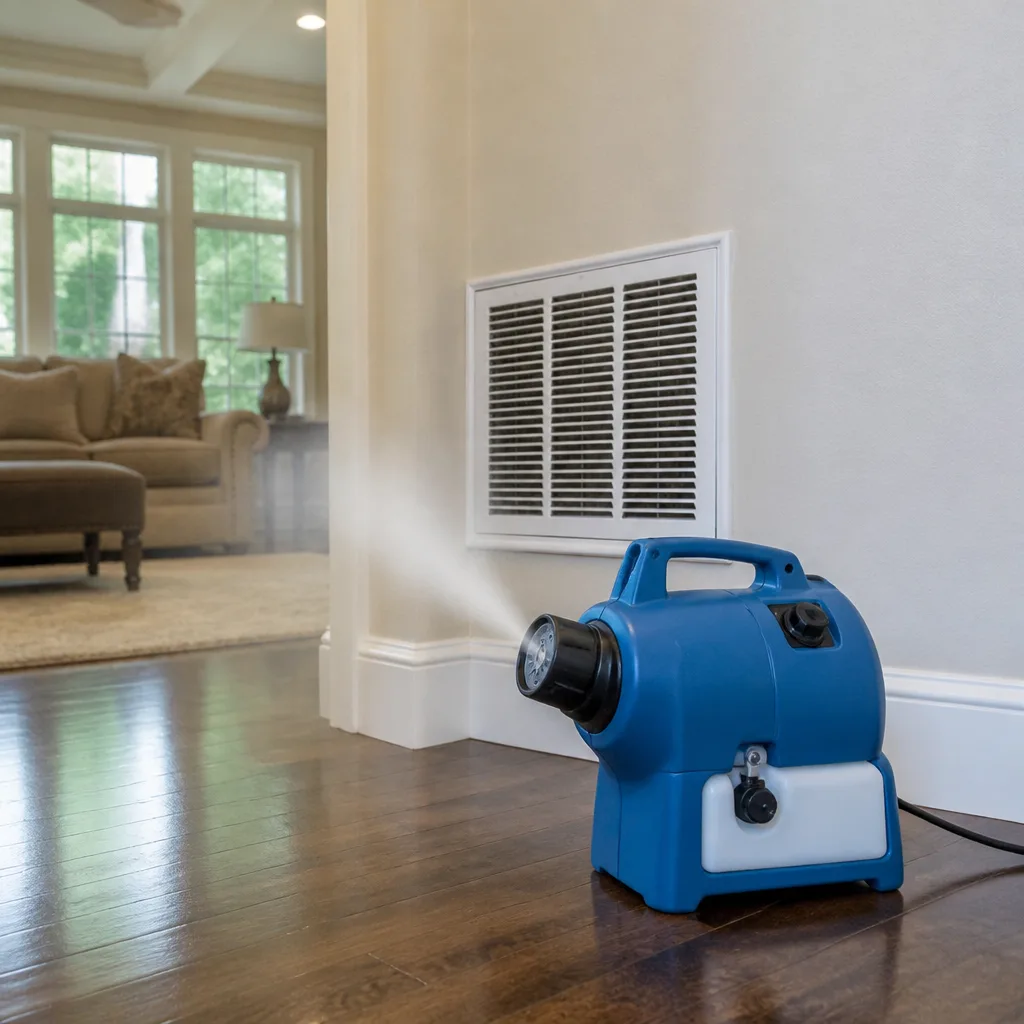 Sanitizing & deodorizing
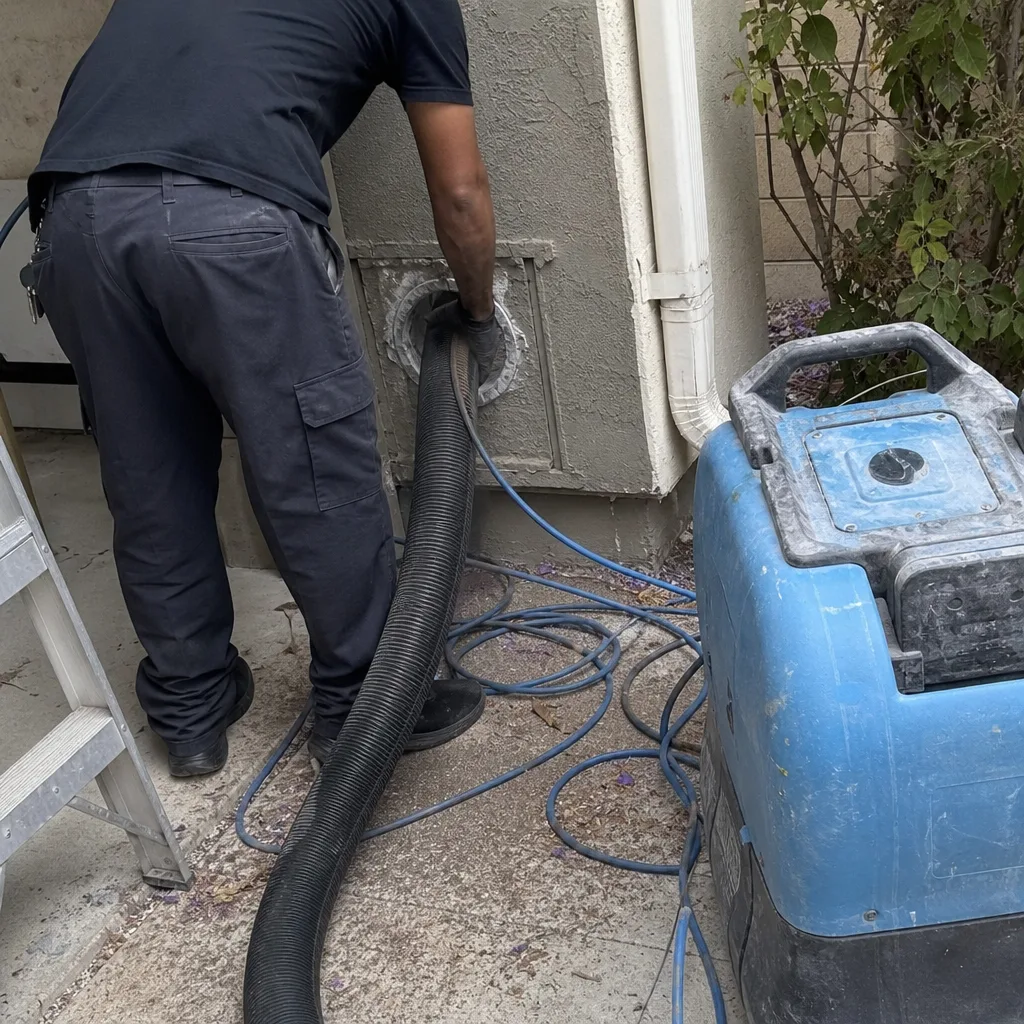
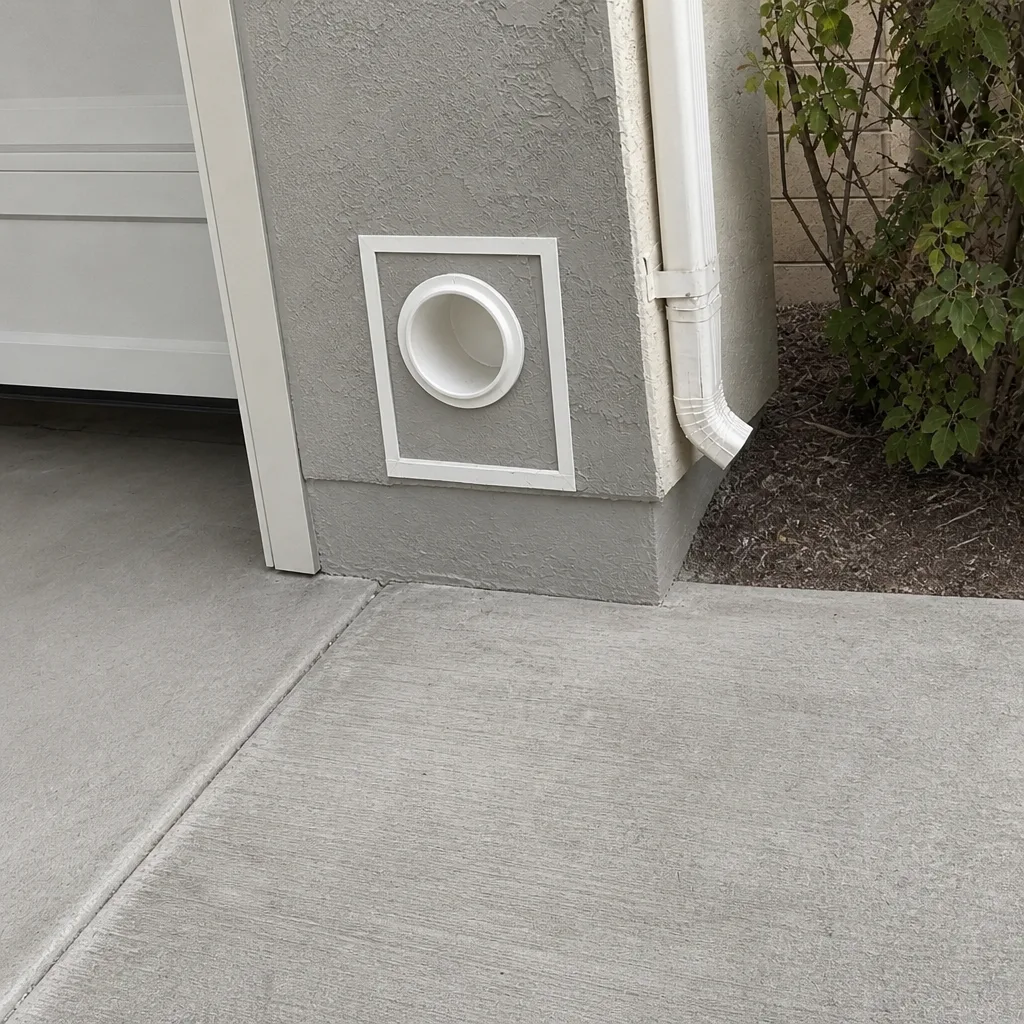
Whole-system duct and dryer vent check with before-and-after photos - you see exactly what came out of your vents
That "$99 whole-house special" is a bait ad - the real number appears once they are in your hallway, or the "clean" is a shop-vac at the register. We photograph the inside of your ducts before and after instead.
DIY vs Professional Air Duct Cleaning: The Portola Springs Homeowner’s Decision Guide
Most homeowners in Portola Springs assume duct cleaning is a matter of suction. Buy a kit, run the brush down the register, done. The reality is more interesting. Every consumer duct cleaning kit sold online operates at roughly 100 to 150 CFM of suction. A professional truck-mount system operates at 3,000 to 5,000 CFM. That gap isn’t a matter of degree. It’s the difference between disturbing debris and actually extracting it. This guide shows you exactly what a DIY kit can reach inside a Portola Springs home, what it can’t, and how to tell when your system genuinely needs professional depth.
Quick Answer
A consumer brush-and-vacuum kit only reaches the first 12 to 18 inches of each branch, so it can handle visible register dust but not the trunk lines, plenums, or coil housing where most contamination collects. Professional cleaning uses negative-pressure containment and high-CFM extraction to reach the whole system. For a typical Portola Springs house, DIY makes sense for surface maintenance between professional visits; it does not make sense for post-renovation debris, mold-suspected systems, or anything beyond the branch opening.
Styles & brands we work with
- Whole-home duct cleaning
- Dryer vent cleaning
- Camera inspection
- Sanitizing & deodorizing
Table of Contents
- Why DIY Duct Cleaning Is Structurally Limited
- What a Consumer Kit Can Reach vs What It Can’t
- When DIY Is Genuinely the Right Call
- When DIY Is Counterproductive
- What to Do Between Professional Cleanings
- How to Verify a Professional Cleaning Was Actually Done
- What Professional Duct Cleaning Costs in Portola Springs
- Common Mistakes to Avoid
- When to Call a Professional
Why DIY Duct Cleaning Is Structurally Limited
Consumer duct cleaning kits share one design constraint: they have to be small enough to fit through a register opening and light enough for a homeowner to hold with one hand. That constraint determines everything about what they can and can’t do.
A typical DIY kit is a flexible rotary brush or a shop-vac attachment connected to a 1.25-inch or 2-inch hose. It works from the register side, pushes a brush into the first section of flex duct, and pulls back debris with maybe 100 to 150 CFM of airflow. That’s a reasonable amount of suction for a bag of leaves. It is not a meaningful amount of suction for a 6-inch round flex duct running 15 feet through a wall cavity.
The physics work against the homeowner. Contamination in a duct system accumulates where airflow changes direction or loses velocity: the trunk line, the plenum above the air handler, the return side, and the evaporator coil housing. Those are also the places a consumer kit cannot reach, because they have no register opening and no accessible path from the room side.
What’s left is the branch. A branch line from register to trunk is typically 5 to 15 feet long; a consumer brush can cover the first 12 to 18 inches of it reliably. Past that point, the brush starts to coil, the hose loses airflow, and the debris that gets knocked loose may or may not get pulled out. In a Portola Springs home with vaulted ceilings and long flex runs to second-floor registers, that gap is even more pronounced.
Professional equipment solves this by working from a different direction. A Rotobrush or Nikro system combines a high-CFM negative-pressure vacuum at the main trunk with a rotary whip or air whip that travels the full length of each branch. Abatement Technologies equipment adds negative-air containment, which is the standard in mold and contaminant remediation work, so debris gets captured, not redistributed into the living space. The whole point is that the system gets cleaned as a system, not as a collection of openings.
What a Consumer Kit Can Reach vs What It Can’t
Here’s the map. It’s the most useful thing on this page.
What a DIY brush-and-vacuum kit can reach
- The register grille and the frame around it
- The boot, meaning the transition fitting where the duct meets the floor or ceiling
- The first 12 to 18 inches of each branch line, if the kit’s hose is long enough
- Loose, light surface dust that has not bonded to the duct wall
- Debris sitting directly at the face of the register, like drywall dust after a small repair
What requires professional access and negative pressure
- The main trunk line, which carries the bulk of total system airflow and collects the bulk of contamination
- The supply and return plenums at the air handler, often the dirtiest single area in the system
- The evaporator coil housing and the coil face itself
- Return duct runs, which are usually larger, longer, and often entirely inaccessible from a room register
- Flex duct runs longer than about 2 feet from the boot
- Duct interiors behind hard ceilings, in soffits, and inside wall chases
- Any area requiring containment so loosened debris doesn’t migrate into the living space
If you look at that split, the pattern is clear. DIY handles the visible end of the system. The professional handles the whole system, including the parts that produce the dust you see at the register in the first place.
Our technicians have up to 10 years of experience with both residential systems and the specific flex duct configurations common in newer Portola Springs construction. That experience mostly amounts to knowing which sections can be reached with a rotary whip and which require a different approach through an access cut.
When DIY Is Genuinely the Right Call
We’re not going to tell you a brush kit is useless. It isn’t. There are specific, low-stakes situations where a homeowner with a consumer kit does a perfectly good job, and calling a professional for those would be wasted money.
1. Post-filter-change debris removal at the return
When you swap a filter, some dust falls into the return boot and sits there. A quick vacuum of the boot and the register face after each filter change is smart maintenance and keeps that debris from getting pulled back into the system.
2. Single register maintenance between professional cleanings
If one register in a Portola Springs home collects visible dust faster than the others (a common pattern in rooms with carpet and heavy foot traffic), a homeowner can pull the grille, vacuum the boot, and wash the grille in the sink. That’s useful and takes ten minutes.
3. Light seasonal dust at the boot
Portola Springs sits in a warm inland Orange County climate with dry summers and windy spring days. That means seasonal dust loading at the register face is normal even in a well-maintained system. A brush and shop-vac pass at the boot each season is a reasonable habit.
4. Post-renovation surface cleanup when a full cleaning isn’t scheduled yet
If you just finished a minor paint or flooring job and see drywall dust at the registers, vacuuming the visible debris immediately prevents it from being drawn deeper into the system. This is first-aid, not a substitute for a full post-renovation cleaning if the work was substantial.
Notice what these have in common: they’re all surface-level, low-volume, and reversible. If the DIY job goes wrong, the consequence is a slightly dirty register. That’s the right risk profile for a homeowner.
When DIY Is Counterproductive
Now the other side. These are the situations where a consumer kit doesn’t just fall short; it can make things worse.
Post-renovation cleaning
Drywall dust, joint compound, tile thinset residue, and sawdust from a kitchen or bathroom remodel coat the inside of the duct system along its full length. A consumer kit pushes that fine particulate around without capturing it. The result is a duct system that looks cleaner at the register and behaves dirtier downstream, because the dust has been redistributed onto the coil and into the trunk where it clogs airflow and eventually gets pulled into the living space. A professional post-renovation cleaning uses negative pressure to pull the debris out of the system entirely.
Mold-suspected systems
If you smell the musty, wet-cardboard odor that points to microbial growth, a brush kit is the wrong tool. Agitating mold spores without containment spreads them. This is where Abatement Technologies negative-air equipment matters: the same category of gear used in professional mold remediation is what lets a technician clean a contaminated system without contaminating the room. We treat mold-suspected systems as a different job category, and we use Guardsman-line sanitizing products on duct interiors after the mechanical cleaning is complete.
Flex duct with a collapsed inner liner
Flex duct has a wire helix wrapped in a plastic inner liner and an outer insulation jacket. In older runs, or in runs that took a hard bend during installation, the inner liner can collapse or tear. A consumer brush pushed into a torn liner will catch on it and make the tear worse. A technician sees the liner condition through a camera or an access cut before deciding how to clean it, and Duct Repair & Sealing becomes part of the job rather than an afterthought.
Systems with inaccessible trunk lines
If your Portola Springs home has a trunk line running through a soffit or ceiling chase with no access panel, a homeowner cannot clean it. Period. That’s a physical geometry problem, not a matter of better equipment on the homeowner’s end. The professional’s advantage here is knowing how to create a small, sealable access point, do the cleaning, and close it up correctly.
Any system with high contamination load
The heavier the contamination, the more counterproductive DIY becomes. A light brush pass barely disturbs a thin dust film. A brush pass through a system carrying years of accumulated debris knocks a lot of material loose and captures only a fraction of it. That loosened material has to go somewhere, and usually that somewhere is the coil.
What to Do Between Professional Cleanings
A cleaning resets the system. What happens afterward determines how long the reset lasts. Here’s what actually slows re-contamination.
Filter specification and cadence
Match the filter to the return grille size and change it on a schedule, not when you remember. In a Portola Springs home with a standard 1-inch return slot, a mid-efficiency pleated filter changed every two to three months is the right starting point. If a household member has allergies, or if there’s a pet in the house, tighten that to every two months. Avoid ultra-high-MERV filters in a system not designed for them: they add static pressure and can reduce airflow enough to cause its own problems. If you want filtration beyond that, Aprilaire media cabinets hold a deeper filter and are a better fit for the return plenum.
Sealing strategies
Leaky duct joints in an attic or ceiling void pull unconditioned, dusty air into the system. In a Portola Springs home with ducts running through a hot attic in summer, that leakage is actively drawing dust and heat into the supply air. Sealing accessible joints with mastic (not duct tape, which fails) is a low-cost improvement. If the system has significant leakage, Duct Repair & Sealing addresses the root cause rather than just cleaning the symptom.
Register maintenance
Wash the grilles at least twice a year. Vacuum the boot when you change the filter. A register face that stays clean is a register that isn’t shedding dust back into the room.
Humidity and moisture management
Duct interiors stay cleaner in a dry system. Keep indoor humidity in a reasonable range, fix any condensate drain issues promptly, and don’t ignore a musty smell. A small moisture problem managed early stays a small moisture problem.
Watch what you bring home
The biggest contamination events in a home are usually construction, not daily life. If a remodel is coming, plan a professional cleaning for after the drywall work, not before.
How to Verify a Professional Cleaning Was Actually Done
This is the part most homeowners skip, and it’s the part that matters. A duct cleaning is not a service you can see in a photograph unless you know what to look for. Here’s how to check that the work happened to depth.
1. Look inside the plenum before and after
Ask the technician to show you the inside of the air handler plenum, either in person or with a before-and-after photo. It’s the most revealing single location in the system and it’s normally accessible during the job. If the plenum is clean after, the cleaning reached the trunk. If it still has visible buildup, the job didn’t go deep.
2. Confirm containment was actually used
Negative-pressure containment means the system was sealed while cleaning happened. Look for visible sealing at the registers, and ask directly whether Abatement Technologies containment equipment was deployed. It’s a fair question and the answer should be easy.
3. Check the access points
If a technician created access cuts to reach the trunk or plenum, those cuts should be cleanly closed and sealed. Look at them. A sloppy, taped-over hole with duct tape is a sign of a sloppy job. A properly sealed cut with mastic or a mechanical closure looks intentional.
4. Run the system and check airflow
Airflow at the registers should be at least as strong as before, usually slightly stronger. If a register feels weaker after cleaning, something got knocked loose and partially blocked a branch, which means the call is to have it looked at, not ignored.
5. Ask for the coil inspection
If the coil housing was part of the scope (and it should be, on an HVAC cleaning), ask whether the coil face was photographed and whether the coil was cleaned or just inspected. A cleaned coil looks visibly brighter. An inspected-but-dirty coil is a real finding that needs follow-up.
6. Confirm the register and boot are visibly clean
This sounds obvious, but it’s the fastest sanity check. Pull a register grille after the job. If dust is still caked on the inside face of the boot, the job was a vacuum pass, not a duct cleaning. If you’re looking for air duct cleaning that reaches the whole system, this check is the whole ballgame.
Before-and-after photos are the standard way to prove any of this. Ask for them on the plenum, the coil housing, and at least one representative trunk run.
What Professional Duct Cleaning Costs in Portola Springs
Duct cleaning pricing is a per-system job, and any quote you see that’s structured per-vent is a flag. Per-vent pricing encourages a technician to define “vent” loosely and to charge for reaching the same duct through a different opening. The honest model is one flat price per system, agreed before work starts, based on the number of supply and return runs, the system size, and whether duct repair or sanitizing is part of the scope.
A typical residential air duct cleaning for a Portola Springs house falls in a range determined by the written estimate. That estimate depends on:
- Number of supply and return runs through the system
- Whether the air handler and coil are included (they should be)
- Condition: light dusting versus post-renovation or heavy contamination
- Whether Duct Repair & Sealing is needed to correct leakage or a damaged liner
- Whether sanitizing is required, using Guardsman-line products on the duct interiors
- Access conditions, including whether an access cut is needed to reach the trunk line
If someone quotes you a number before seeing the system, that’s not an estimate; it’s a guess. The written estimate sets the final price, and it should itemize the scope.
Why are some quotes dramatically cheaper than others? Usually one of three reasons: the quote is a teaser to get a technician on site, the cleaning is limited to the visible registers, and the equipment is a shop vac rather than a truck-mount or portable Rotobrush or Nikro system. A cheap quote that leaves the trunk line untouched isn’t a bargain. It’s a partial service.
If you want a free estimate on HVAC cleaning that includes the coil and plenum, the written scope should say so explicitly.
Common Mistakes to Avoid
- Buying a consumer kit expecting it to clean the whole system. It will clean the register and the first 18 inches of the branch. That’s it, and the trunk line is where the bulk of the contamination lives.
- Running a brush into older flex duct without checking the liner. A collapsed or torn inner liner turns a routine cleaning into a duct repair, and the brush is what did the tearing.
- Hiring the cheapest per-vent quote in Portola Springs. Per-vent pricing encourages a small job dressed up to look thorough. One flat price per system, agreed before work begins, is the honest structure.
- Cleaning ducts before a remodel instead of after. Drywall dust and joint compound are the contamination, so the cleaning has to happen once the dust has settled, not before it’s created.
- Ignoring a musty smell because the registers look clean. Microbial growth starts at the coil and in the plenum, not at the register. If the register looks fine but the house smells musty, get the system inspected.
- Skipping the coil and plenum in the scope. A duct cleaning that stops at the registers leaves the dirtiest part of the system untouched, and the coil will keep producing dust for the whole system.
- Never confirming the work. Ask for before-and-after photos, pull a register, and check that access cuts were properly sealed. Verification is the difference between a cleaning and a story.
When to Call a Professional
Call a professional when the job requires reaching beyond the register: after a remodel, when there’s a musty smell anywhere in the house, when flex duct has visible damage, when the system has never been cleaned in the current ownership cycle, or when the coil and plenum need inspection. Call when you notice reduced airflow at multiple registers, which usually points to a trunk or coil issue that a brush kit cannot touch. Call when you’re preparing a home for sale in Portola Springs and want documented before-and-after photos of a real system cleaning.
If DIY has already been attempted and the registers look clean but the house still smells dusty, that’s a sign the job stopped at the surface. In our experience, that’s the most common reason a homeowner calls us second.
Air Duct Cleaning Portola Springs offers free estimates in Portola Springs. Call (844) 685-3117. We answer 24/7. Fast dispatch from 7am to 7pm, Sunday through Friday.
Frequently Asked Questions
You can clean the register, the boot, and the first 12 to 18 inches of the branch with a shop vac and a brush attachment, and that’s genuinely useful for between-cleaning maintenance. You cannot clean the trunk line, plenum, or coil housing with a shop vac because those sections have no room-facing access. The trunk line carries the bulk of the system’s contamination, so a shop-vac pass is a surface job, not a duct cleaning. Call (844) 685-3117 for a free estimate if you want the whole system done. We answer 24/7. Fast dispatch from 7am to 7pm, Sunday through Friday.
It’s priced per system by written estimate, not per vent, and the estimate depends on the number of runs, whether the coil and plenum are included, and whether duct repair or sanitizing is part of the scope. Any quote given before the system is inspected is a guess; the written estimate sets the final price. The right question to ask is what the scope includes, not what the headline number is. Call (844) 685-3117 for a free estimate. We answer 24/7. Fast dispatch from 7am to 7pm, Sunday through Friday.
Cheap quotes usually come from one of three places: a teaser price meant to get a technician on site before the real number appears, a job scoped only to the visible registers, or consumer-grade equipment in place of a Rotobrush, Nikro, or Abatement Technologies system. A low price on a partial scope isn’t a bargain. Ask what the quote covers, specifically the plenum, coil, and trunk line. Call (844) 685-3117 for a scope-based free estimate. We answer 24/7. Fast dispatch from 7am to 7pm, Sunday through Friday.
Most homes don’t need a full system cleaning on a fixed schedule; they need one after a trigger event like a remodel, a move-in, a pet adoption, or visible evidence of contamination at the registers and coil. Between those events, filter changes and register vacuuming do the maintenance work. If a household member has allergies or the house has a musty smell, don’t wait for the calendar. Call (844) 685-3117 to talk through the timing. We answer 24/7. Fast dispatch from 7am to 7pm, Sunday through Friday.
Ask for before-and-after photos of the plenum and coil housing, then pull a register grille yourself and look at the inside of the boot. If it’s clean, the cleaning reached the system. Check that any access cuts were sealed properly with mastic or a mechanical closure, not duct tape. Then run the system and confirm airflow at each register is at least as strong as before. If any of those checks fail, the job needs a follow-up. Call (844) 685-3117 with questions. We answer 24/7. Fast dispatch from 7am to 7pm, Sunday through Friday.
Portola Springs’ warm inland climate with dry summers and windy spring days means more airborne dust entering the return side, which speeds up buildup in the filter and at the register boot. That’s a reason to stay on top of filter changes, and a reason the coil and plenum deserve a look if the system hasn’t been cleaned. Seasonal dust at the register is normal; heavy buildup at the plenum is not. Call (844) 685-3117 for a free estimate on dryer vent cleaning alongside the duct work. We answer 24/7. Fast dispatch from 7am to 7pm, Sunday through Friday.
The Bottom Line
The DIY-versus-professional question has a clean answer once you look at the geometry of a duct system. A consumer kit reaches the register, the boot, and the first inch-and-a-half of the branch, which is real but small. The trunk line, plenum, coil housing, and return runs need professional access and negative pressure, and that’s where most of the contamination sits. Buy the brush kit for maintenance between cleanings. Book a professional cleaning for post-renovation work, mold-suspected systems, damaged flex duct, and any job that needs the whole system actually cleaned. Then verify the work with photos and a register pull. For a free estimate from Air Duct Cleaning Portola Springs, call (844) 685-3117. We answer 24/7. Fast dispatch from 7am to 7pm, Sunday through Friday. Our technicians have up to 10 years of experience, and every job is priced one flat price per system, agreed before work starts, with before-and-after photos of your own system as standard.
Written by the team at Air Duct Cleaning Portola Springs.
See the difference
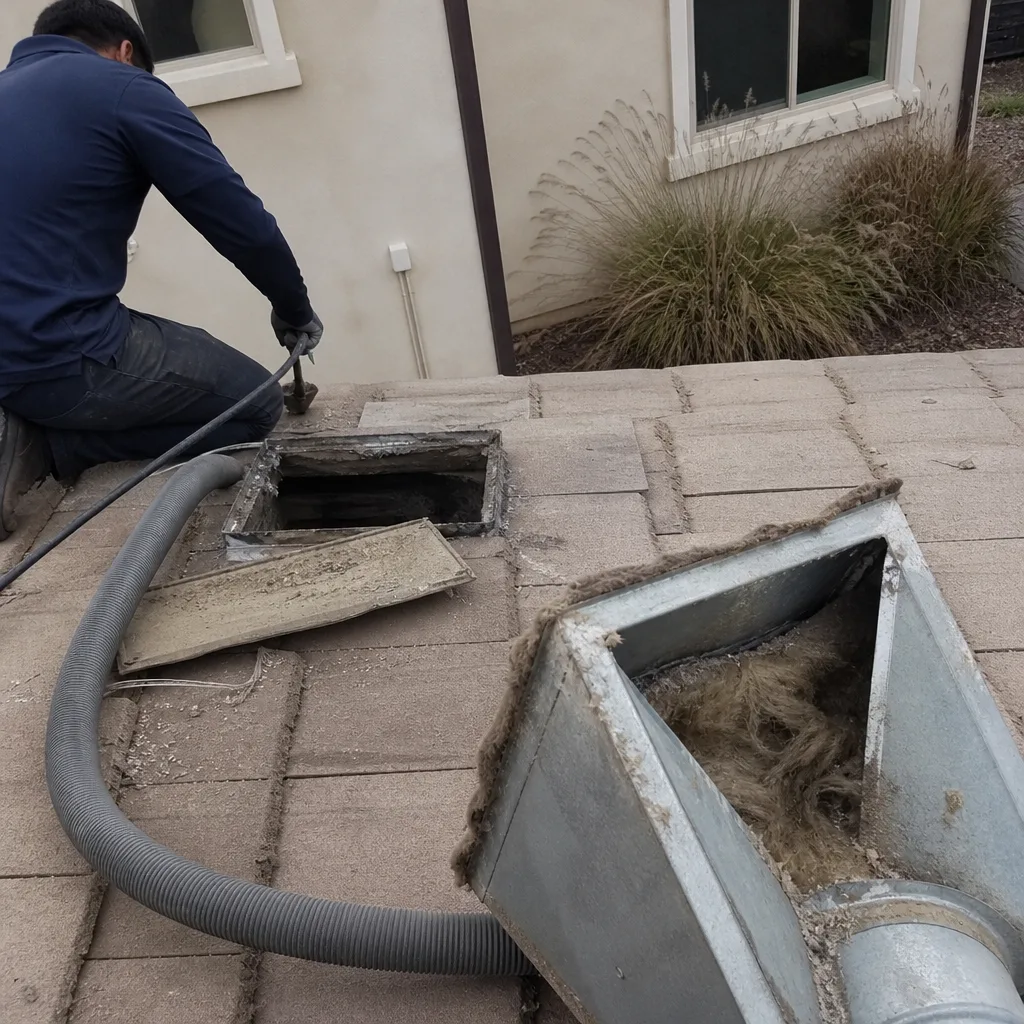 Before
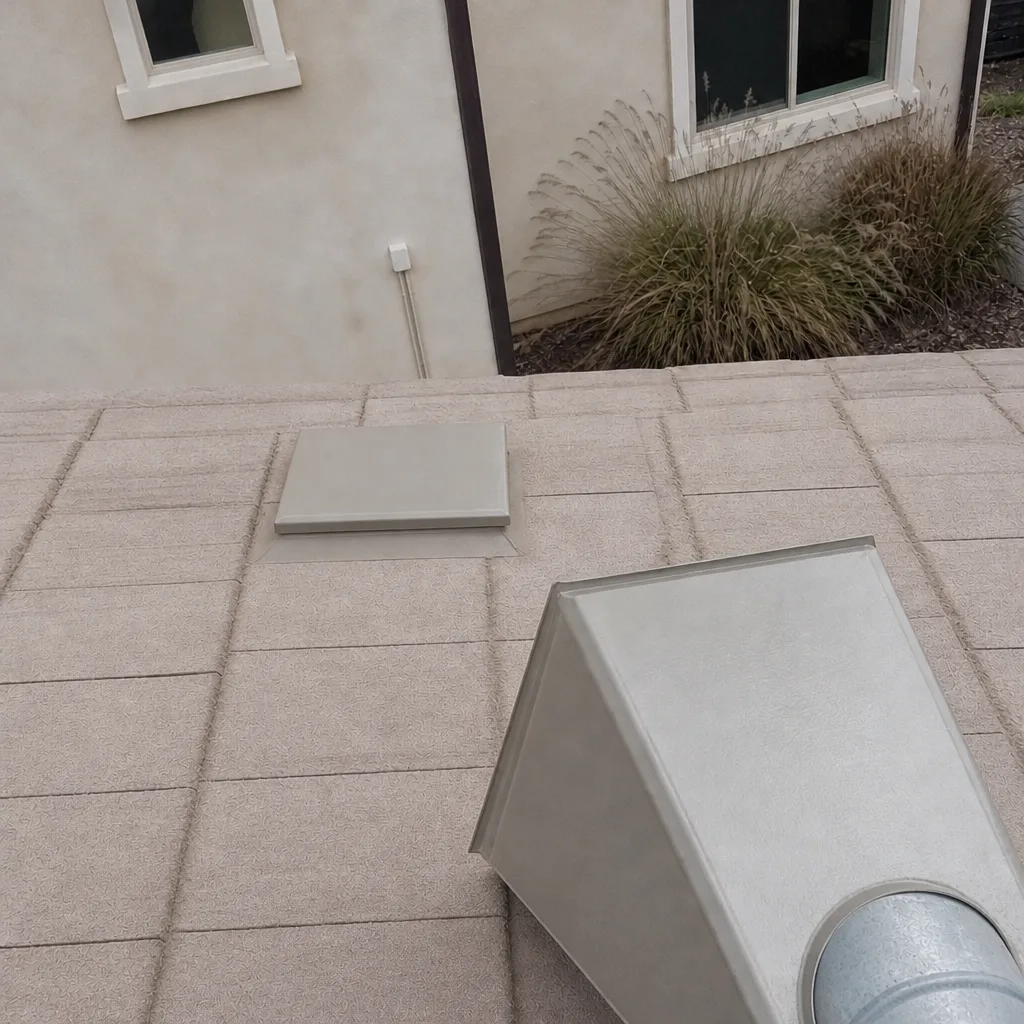 After
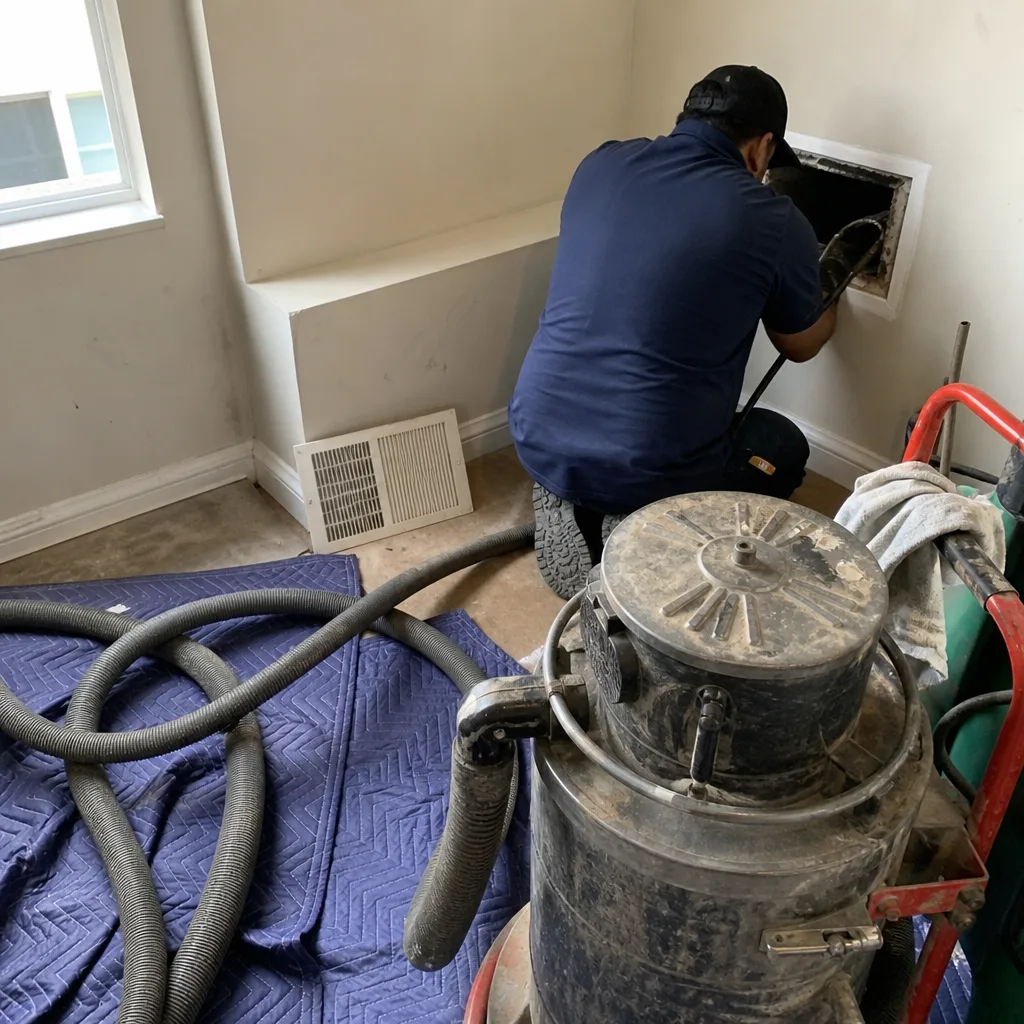 Before
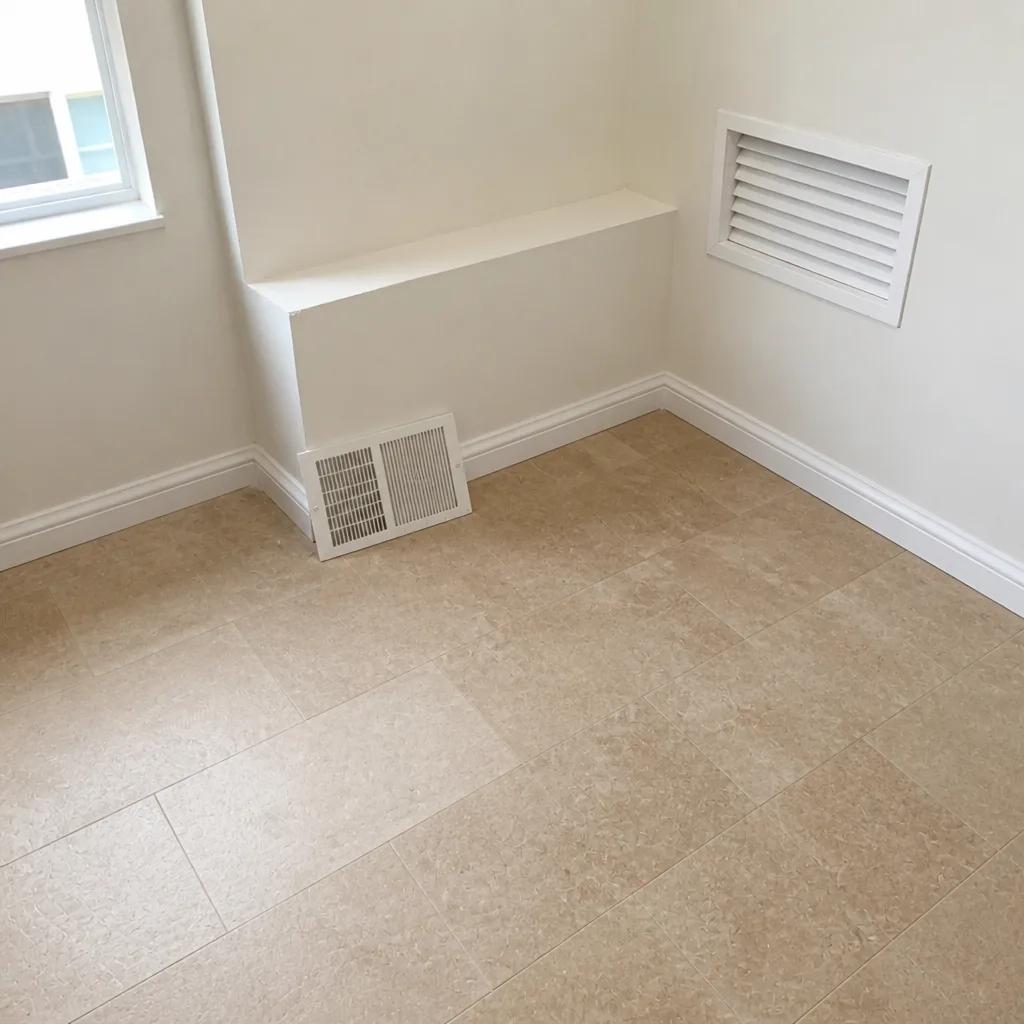 After
 Before
 After