
Last updated November 23, 2026
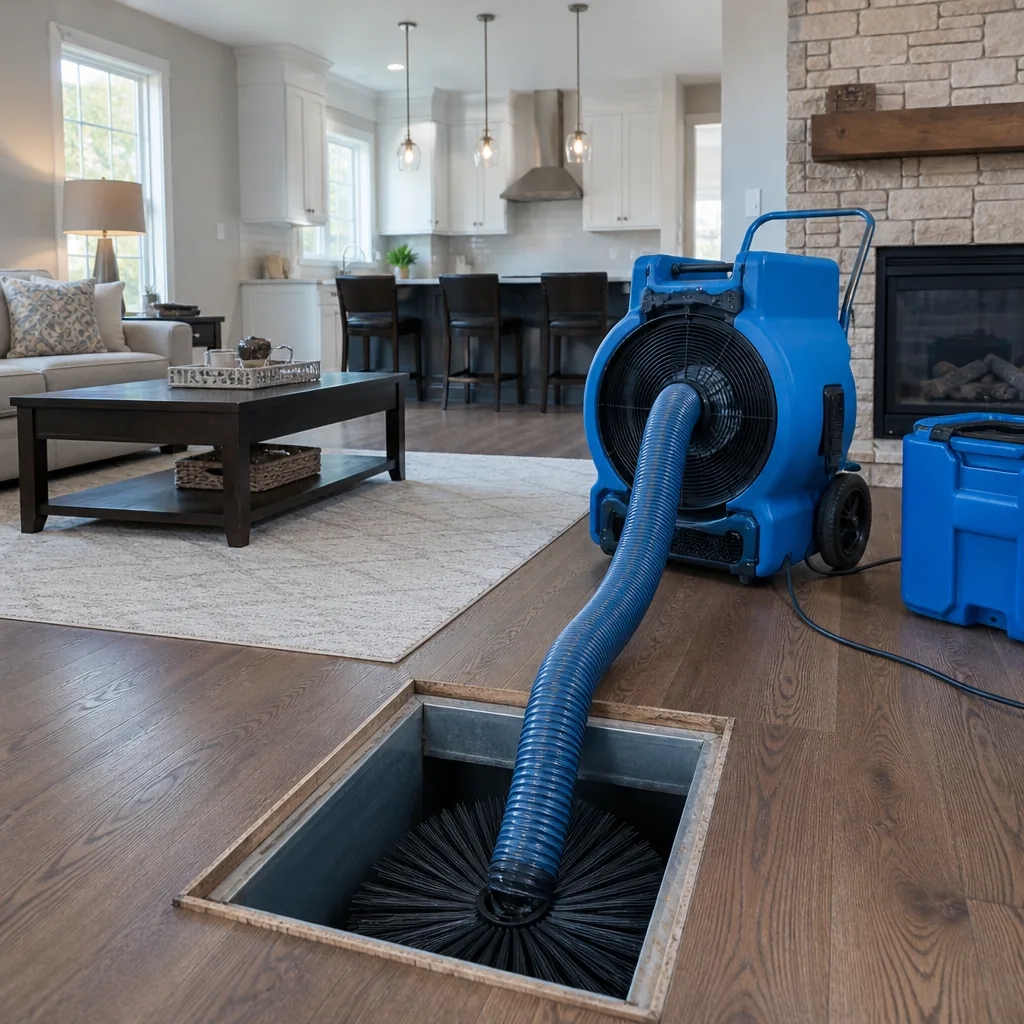 Whole-home duct cleaning
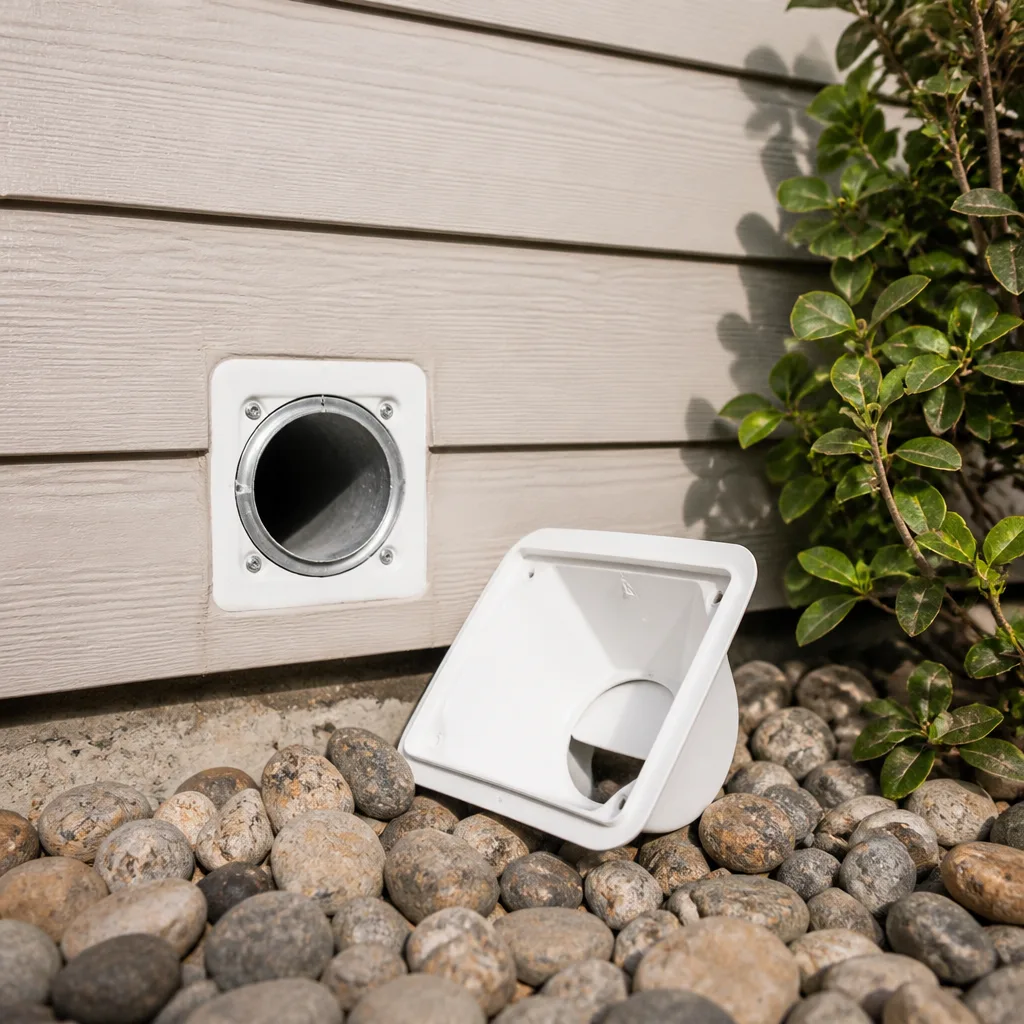 Dryer vent cleaning
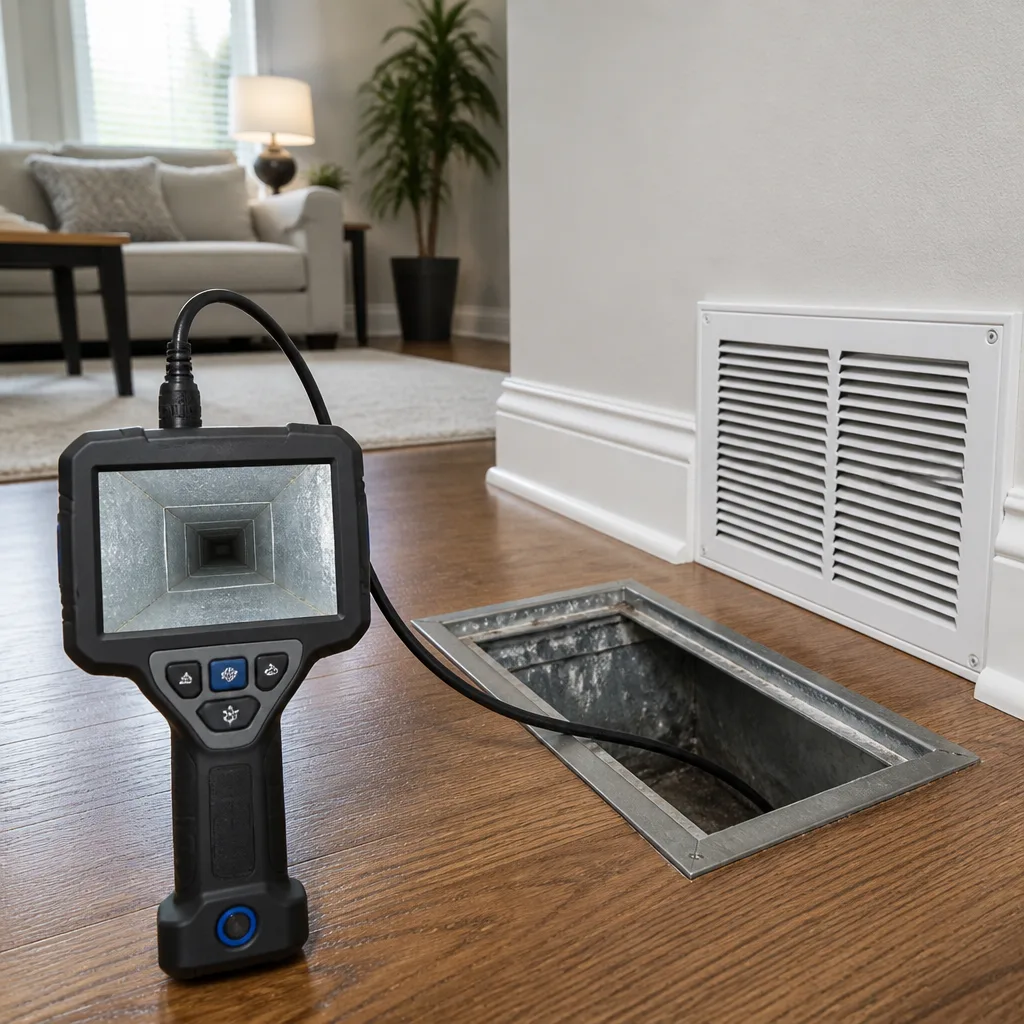 Camera inspection
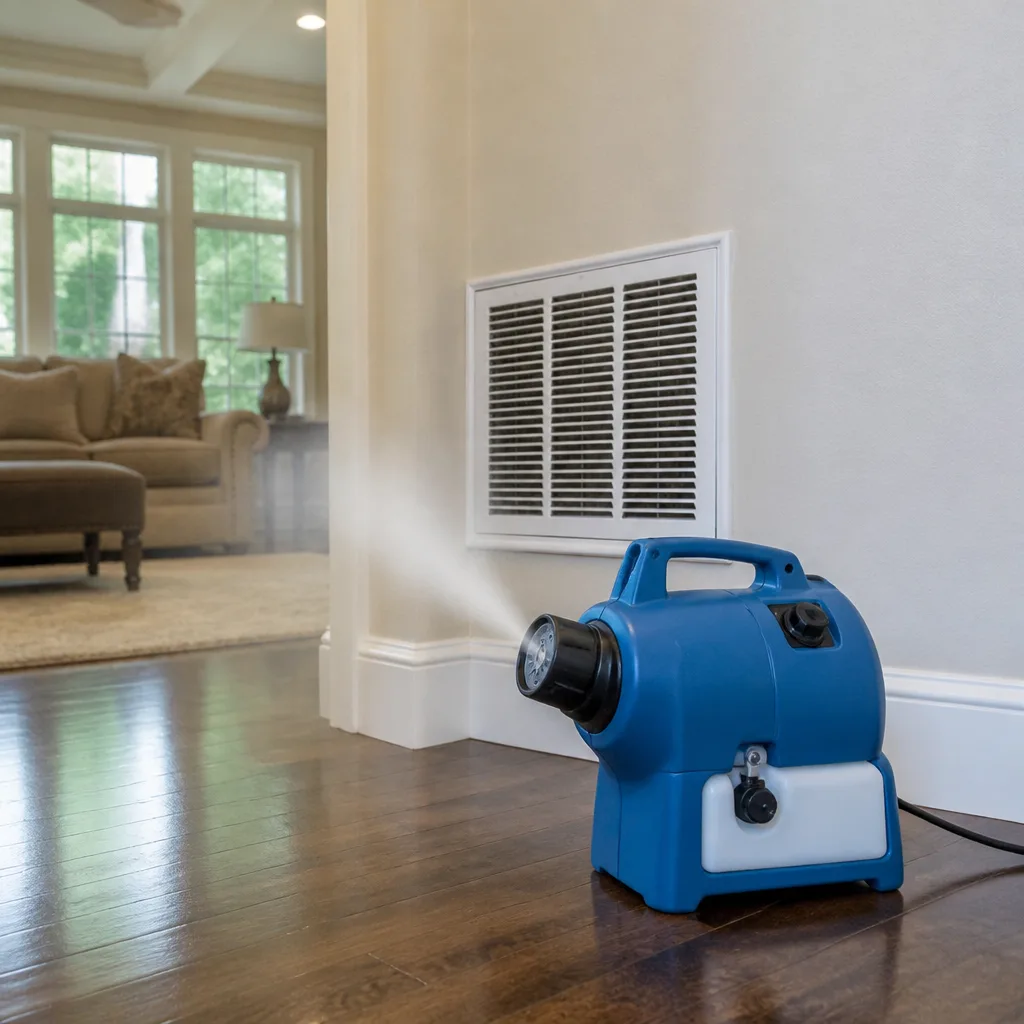 Sanitizing & deodorizing
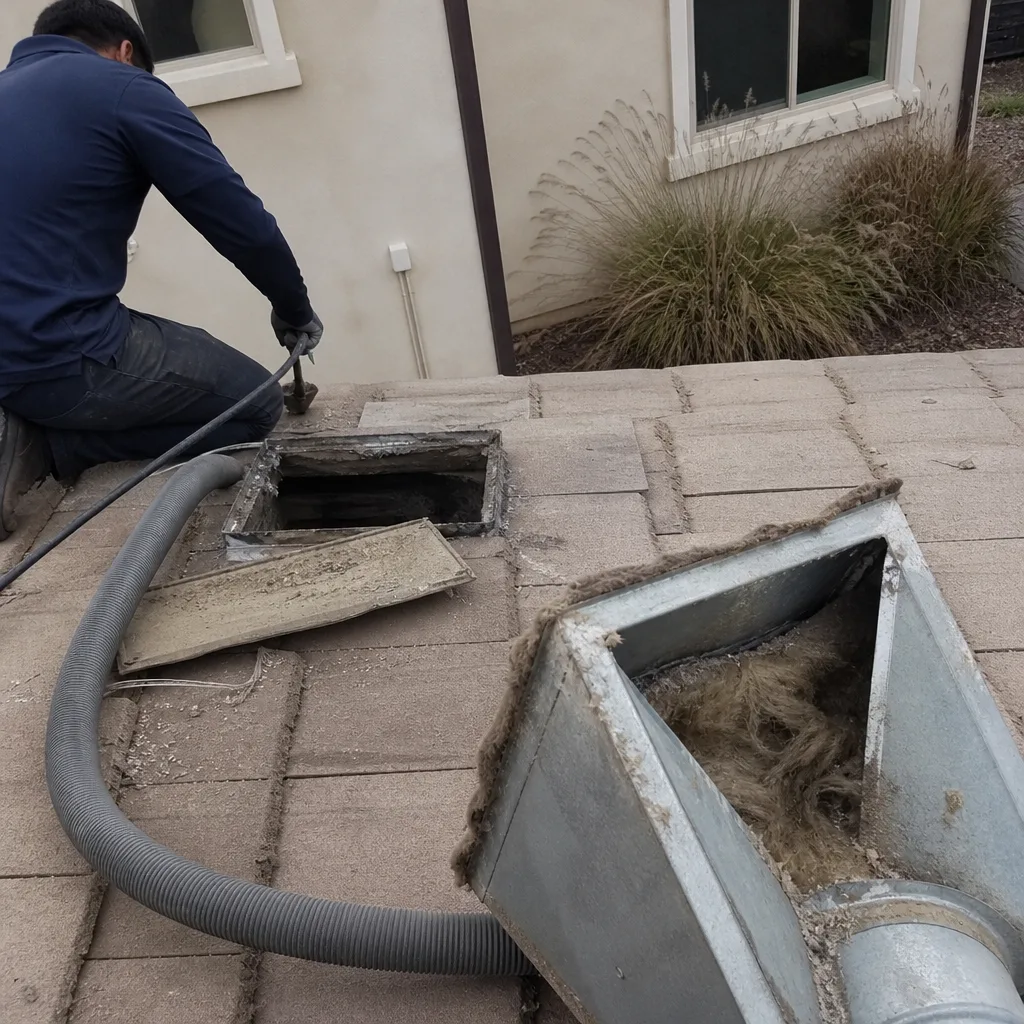
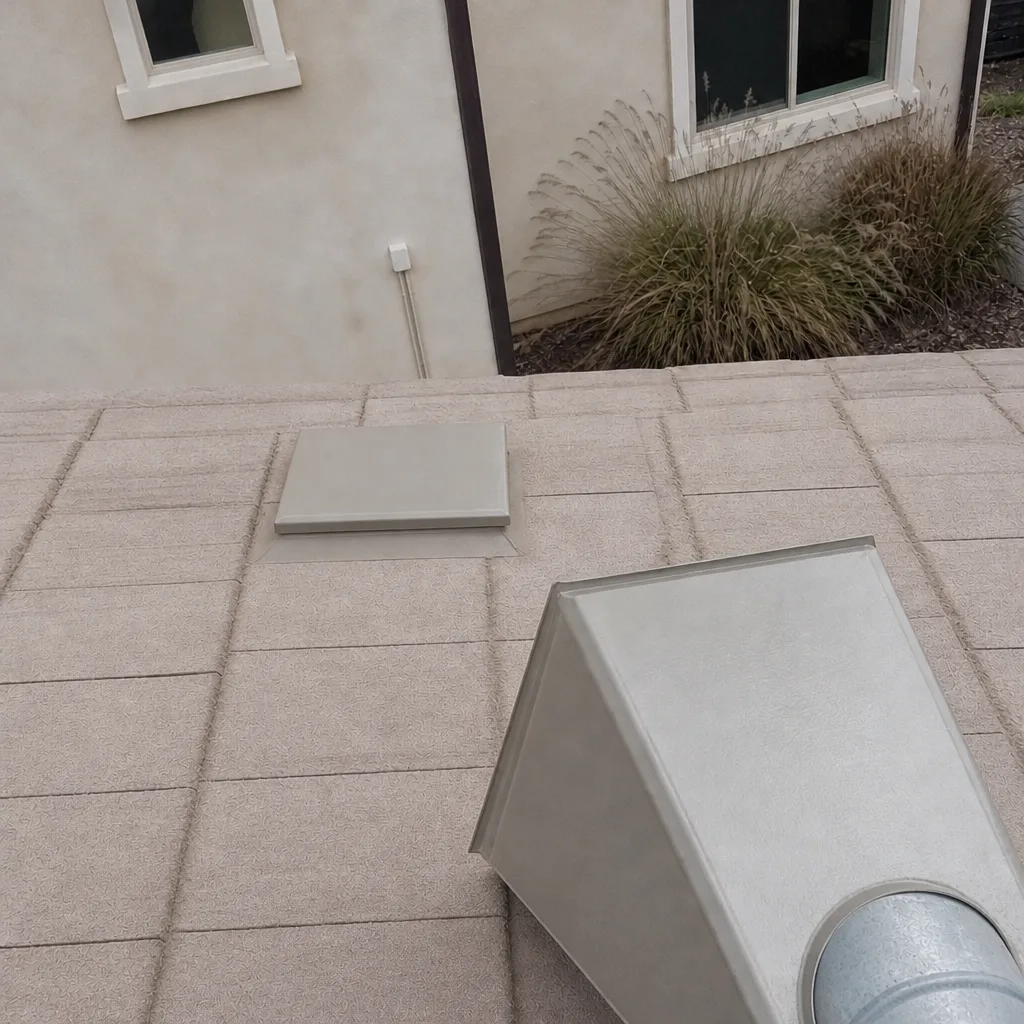
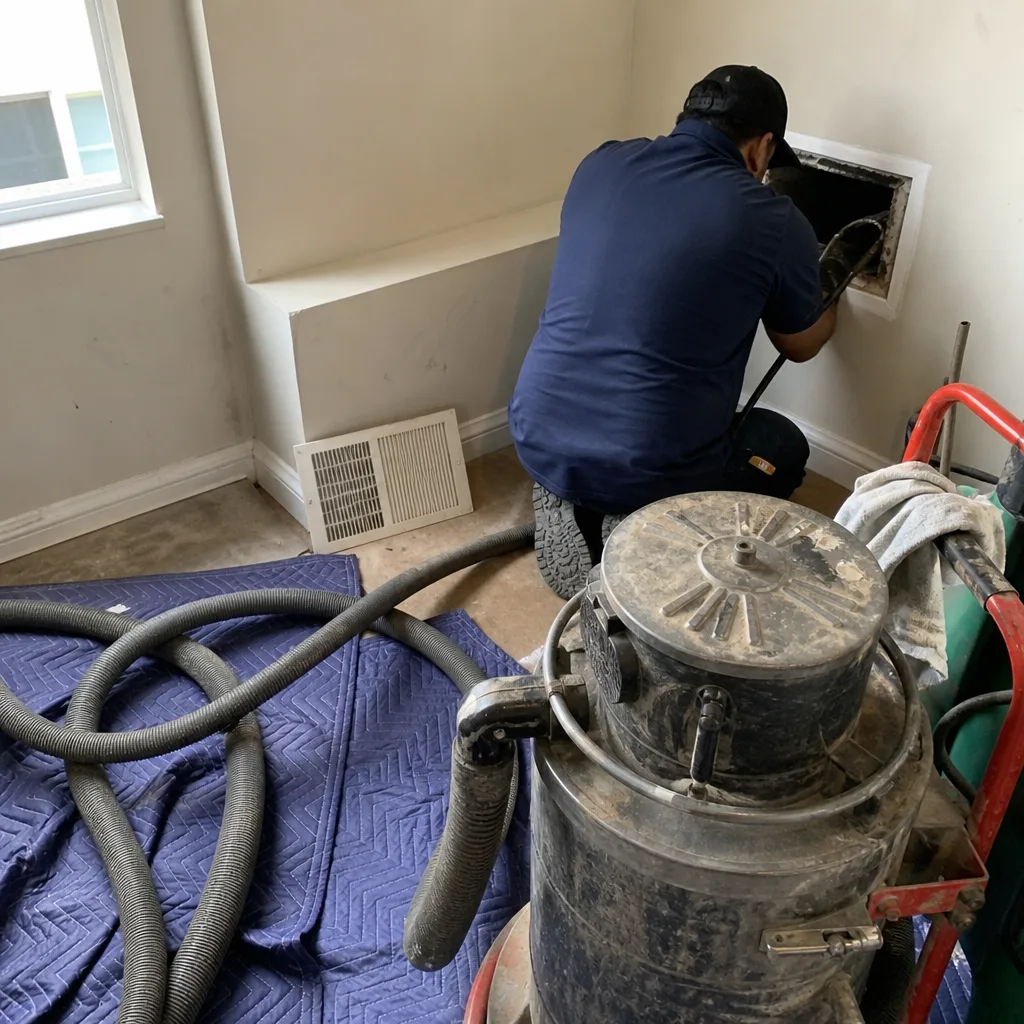
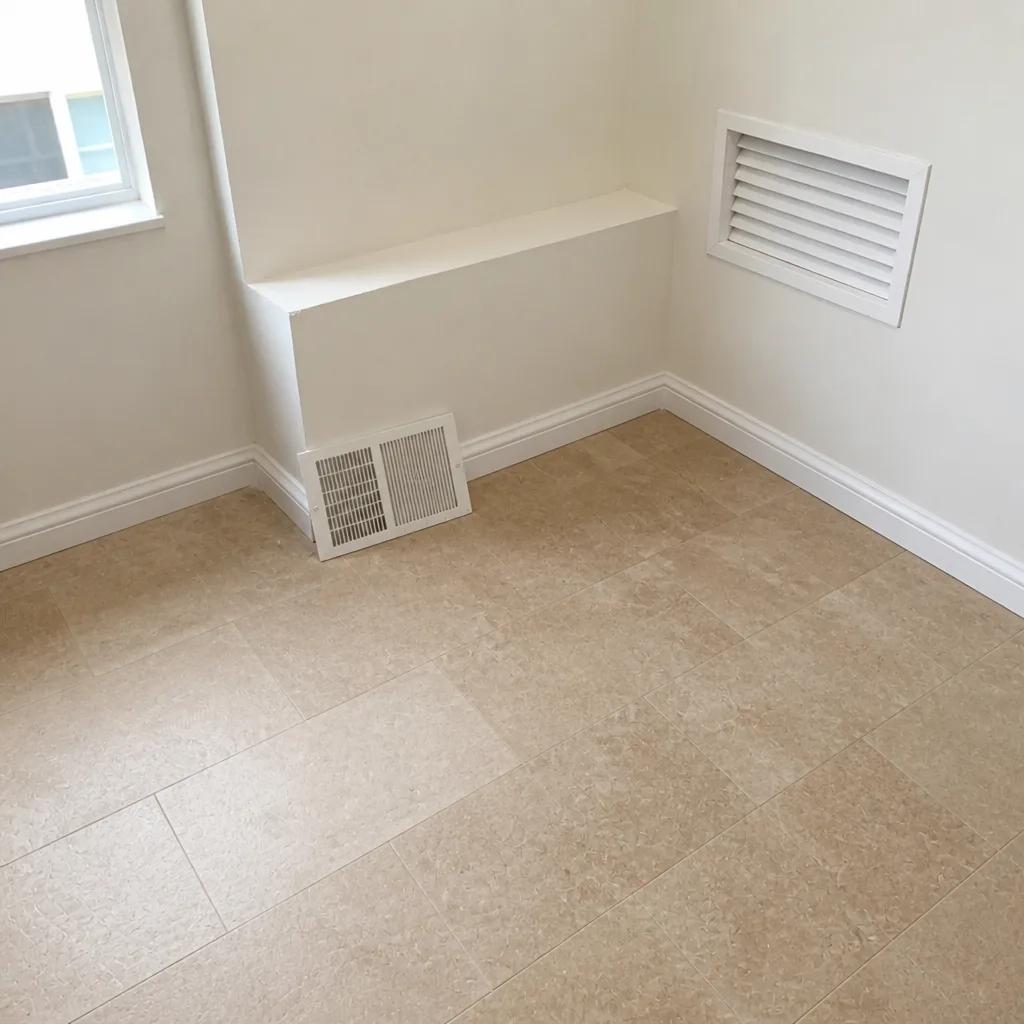
Whole-system duct and dryer vent check with before-and-after photos - you see exactly what came out of your vents
That "$99 whole-house special" is a bait ad - the real number appears once they are in your hallway, or the "clean" is a shop-vac at the register. We photograph the inside of your ducts before and after instead.
Air Duct Cleaning Permits, Codes & Inspections in Portola Springs, CA: What You Need to Know
The job that usually needs a permit is the one nobody calls a permit job. Most Portola Springs homeowners assume duct work is paperwork-free because the cleaning itself is. It isn’t the cleaning that gets you. It’s the sealing, the liner swap, and the spray can full of antimicrobial product that a technician points into your duct system with no registration number on the label. That last one falls under California’s pesticide application law, which treats a duct-interior sanitizer as a regulated pesticide when it’s applied to control microorganisms. This guide covers what actually requires a permit in Portola Springs, which codes govern chemical applications inside HVAC systems, how to verify a sanitizer is legal for ductwork, and what documentation to keep for resale.
Quick Answer
Routine air duct cleaning in Portola Springs does not require a building permit, but several services sold alongside it often do – duct sealing that modifies the system, duct replacement, liner work, and some sanitizer applications fall under separate rules. Sealing or replacing ductwork generally requires a licensed C-20 HVAC contractor and a permit from the local building department, and any antimicrobial or sanitizing product used inside ducts must be EPA-registered for HVAC use with the registration number disclosed to you in writing.
Styles & brands we work with
- Whole-home duct cleaning
- Dryer vent cleaning
- Camera inspection
- Sanitizing & deodorizing
Table of Contents
- Does Air Duct Cleaning Require a Permit in Portola Springs?
- Which California Codes Govern Chemical Application Inside Ducts?
- When Does Duct Sealing or Replacement Cross Into Permit Territory?
- How to Verify a Sanitizer Is EPA-Registered for HVAC Use
- Clean vs. Restore: What “Duct System Restoration” Actually Means
- How Duct Work Affects a Home Inspection During Resale
- What Paperwork to Request After Any Duct Service
- How to Check Your Contractor’s License and Insurance
Does Air Duct Cleaning Require a Permit in Portola Springs?
No. Cleaning the inside of an existing duct system is maintenance, not construction, and it doesn’t trigger a building permit in Portola Springs or anywhere else in California. The scope of work is removal of accumulated debris – no alteration to the structure of the system, no new components, no changes that affect how the system is rated or how it performs under the building code. That’s the dividing line: maintenance stays permit-free, modification doesn’t.
The confusion comes from bundling. A company shows up for a cleaning and, halfway through, offers to seal the joints, swap out a crushed flex run, drop in a new register boot, or spray the interior with a sanitizing product. Some of those are maintenance. Some aren’t. Portola Springs homes tend to have long flex runs through attic and chase spaces where the system was originally designed, and modifications to those runs affect the whole system’s rated performance – which is exactly the kind of change the permit process exists to review.
Here’s the general rule, stated plainly:
- Cleaning only – no permit. Standard maintenance.
- Duct sealing that changes the system’s rated performance – permit likely, licensed contractor required.
- Duct replacement or major rerouting – permit and C-20 HVAC license.
- Interior liner replacement – permit and C-20 license.
- Chemical sanitizing – separate rules entirely; see the code section below.
We can’t tell you exactly what your city’s building department will require without you asking them, and neither can any honest company. The building department is the authority, and a quick phone call with your address and a description of the proposed work settles it in a few minutes.
If the job is a plain cleaning, the more useful question is which equipment is being used. We run air duct cleaning in Portola Springs with Rotobrush and Nikro systems – professional-grade machinery with negative-air filtration, not a shop vac with an extension wand. Equipment quality has nothing to do with permits, but it tells you a lot about whether the company takes the trade seriously.
Which California Codes Govern Chemical Application Inside Ducts?
California regulates a sanitizer applied to duct interiors as a pesticide when the product’s purpose is to control microorganisms – mold spores, bacteria, mildew – and that puts it under a stack of state rules. The most relevant ones are Cal/OSHA, which governs worker protection during application, and the California Department of Pesticide Regulation and the county agricultural commissioner, which handle product registration and applicator licensing. CARB, the California Air Resources Board, governs the volatile organic compound content of the products themselves.
What that means in practice: a product marketed as a duct sanitizer or antimicrobial coating must be registered with the US EPA for use in HVAC ductwork, carry a registration number on the label, and come with application instructions specific to that use. A company applying it must follow the label exactly. Not “roughly.” The label is the law for pesticides. Applying a product to a use it isn’t registered for – even a legal product – is a violation of the Federal Insecticide, Fungicide, and Rodenticide Act.
We use air quality and sanitizing products from the Guardsman line where sanitizing is appropriate, and we disclose the product and its registration to the customer before application. That’s the standard any Portola Springs homeowner should expect.
What the codes do and don’t say:
- They do require EPA registration for the specific HVAC duct use.
- They do require worker protection and ventilation during application.
- They do require the product’s VOC content to meet CARB limits for the product category.
- They don’t require a building permit for a lawful application.
- They don’t allow a company to substitute a general-purpose antimicrobial for an HVAC-registered one.
Sanitizing isn’t a routine step on every job. In our experience it’s called for when there’s been a moisture event, visible microbial growth confirmed on inspection, or an odor the cleaning alone doesn’t resolve. Spraying the whole system as a default add-on raises the question of why.
When Does Duct Sealing or Replacement Cross Into Permit Territory?
Duct sealing crosses into permit territory when it’s a modification to the system rather than a maintenance repair. That’s a frustratingly fuzzy line, so here’s how to think about it. The California Building Code’s mechanical provisions treat duct systems as part of the mechanical installation, and they expect duct systems to be sealed and tested to a defined leakage standard. Work that changes whether the system meets that standard – adding new sealed sections, reconfiguring the layout, changing the type of duct material – is construction. Construction gets a permit.
Practical breakdown:
- Re-taping a joint that has failed – maintenance. No permit. This is the sort of repair any competent service will handle on a cleaning visit.
- Mastic sealing of accessible joints throughout the system – borderline. Small repairs are generally fine; a whole-system sealing project that changes the leakage rating usually needs a permit and a C-20 contractor.
- Replacing a section of duct – permit. Licensed C-20 HVAC contractor required.
- Replacing the entire duct system – definitely a permit. This is a mechanical alteration and it will be inspected.
- Adding or relocating a register or return – permit. This changes the system’s design and airflow distribution, sometimes affecting the home’s title 24 energy compliance.
- Replacing interior duct liner – permit. Liner is a component of the listed system, and the product must be rated for the application.
The reasons this matters in Portola Springs specifically: many homes here have flexible duct runs servicing individual rooms through attic space, and when those runs get crushed or torn, the impulse is to cut them out and run new ones. That new run is a modification. It needs a C-20 contractor and a permit in most jurisdictions, and the sealing has to be done to the code’s leakage standard, not just “wrapped up with tape.”
We offer duct repair and sealing as a standalone service for exactly this reason. Clean ducts are only half the solution. If the system is leaking, you’re pulling unfiltered attic air into the supply and paying for conditioned air that never reaches the room. Sealing addresses the root cause. And when the scope requires a permit, we’ll tell you before we start, not after.
How to Verify a Sanitizer Is EPA-Registered for HVAC Use
You verify it by asking for the EPA registration number in writing before the product is applied – and by checking that the number is on the product label, on the application instructions, and consistent with an HVAC-duct use. If a company can’t produce it, the application doesn’t happen.
Here’s the sequence. It takes about five minutes and it’s the single most valuable habit you can build around this service:
- Ask what product is being applied. The brand and the exact product name, not “our antimicrobial spray.”
- Ask for the EPA registration number. It’s on the label. It’s a two-part number, typically formatted as a company number and a product number.
- Ask to see the label or the safety data sheet. The label lists the registered uses. “HVAC ductwork” or “air handling systems” should be among them.
- Ask what the product label says about surface preparation. Most require the surface to be cleaned first. Sanitizing over debris is not an effective application.
- Ask for the documentation in the written estimate or invoice. Product name, registration number, dilution if applicable, and area treated.
Two red flags to watch for. The first is a company that treats every job with a spray regardless of findings. The second is a product that carries an EPA registration for hard, non-porous surfaces but not for HVAC ductwork – a legal product used wrong. The registration exists to make sure the product has been reviewed for the specific application, including whether the residue is safe to circulate through the air a family breathes.
When sanitizing is appropriate, we disclose the product and its registration to the Portola Springs customer in writing before application. That’s a standard we hold ourselves to and the standard you should hold anyone to.
Clean vs. Restore: What “Duct System Restoration” Actually Means
“Duct cleaning” and “duct system restoration” are different scopes, and the difference is what often determines whether a permit is required. Cleaning removes accumulated debris from a functioning system. Restoration brings a compromised system back into service – which usually means repair, sealing, sometimes liner work, sometimes component replacement, and in the worst cases, partial system redesign. Restoration is construction work. Cleaning is maintenance.
What falls under each:
- Cleaning: source removal of dust, debris, and loose contamination from supply, return, and the air handler’s accessible interior. Negative air pressure with HEPA filtration. No system modification.
- Restoration: repair of disconnected or crushed duct runs, replacement of failed sections, re-sealing of the system to a leakage standard, liner replacement when the interior surface has degraded, and correction of design problems – undersized returns, unbalanced airflow, missing dampers.
Restoration is where the permit question lives. If a company proposes to “restore” your duct system and the scope of work includes new duct material or reconfiguration, ask the permit question before the estimate is agreed. A contractor proposing that work should be able to answer immediately, and should be licensed as a C-20 HVAC contractor to do it. If the answer is “we don’t need a permit for that,” get a second opinion.
We approach restoration in stages, because not every system needs everything. A HVAC cleaning visit with a proper inspection reveals what’s actually compromised. From there, sealing and repair are usually the right first move, and full restoration only when the system can’t be brought back to a stable, sealed, serviceable condition otherwise. The scope gets agreed in writing before any work begins, one flat price for the job, and before-and-after photos of your own system at the end so you can see what changed.
How Duct Work Affects a Home Inspection During Resale
Unpermitted duct work that involves modification can surface as an issue during a resale inspection in Portola Springs, and it usually turns what should have been a passing item into a request for further evaluation. A home inspector isn’t going to red-tag a dirty duct system. But a system that has obviously been opened, modified, and reassembled with the wrong materials can raise a question about who did the work and whether it was permitted and inspected.
What typically raises the question:
- Visible duct modifications with no permit record at the building department.
- Duct material types that don’t match the original system.
- Joints sealed with materials not rated for ductwork (duct tape isn’t duct-rated for permanent sealing, whatever the name says).
- Missing or damaged insulation on duct runs.
- Interior liner that has been cut, patched, or partially removed.
What matters is documentation. When a buyer’s inspector flags duct work, the seller who can produce a permit record and an inspection card has an easy conversation. The seller who can’t has a negotiation. In a resale market where buyers are already asking hard questions about the home’s mechanical systems, having the paperwork is worth far more than having saved a permit fee years earlier.
The other resale angle is less administrative and more practical. Dirty ductwork and a leaking system show up in energy bills and in the general state of a home’s mechanical condition. A buyer’s inspector may note visible debris accumulation at registers, or an air handler with a neglected filter and coil. Cleaning the system, sealing the leaks, and keeping the documentation together makes the mechanical section of the disclosure far simpler.
What Paperwork to Request After Any Duct Service
Request a written scope of work before the job and a written record after it, and keep both. The scope should say exactly what’s being done and to which parts of the system. The record should say what was actually done, what was found, and what product went inside your ductwork. That’s the file you want in a drawer three years from now when someone asks.
- Written estimate or scope of work. Cleaning only, or cleaning plus sealing, repair, liner, or sanitizing. Name each part of the system covered.
- Product disclosure for any chemical application. Brand name, product name, EPA registration number, area treated, and the application instructions followed.
- Photos of the system before and after. Not stock images. Photos of your actual duct interior, your air handler, your registers.
- A description of any findings. Disconnected runs, crushed flex, mold growth, pest debris, failed seals. Written down, not just mentioned verbally.
- Permit number and inspection record if any modification, replacement, or liner work was performed. If it was permitted, the inspection card should follow.
- Contractor license information. Name and license number of the C-20 contractor who did structural duct work, if applicable.
Keep it in the same place as your HVAC service records and your home inspection report. A thin folder is all this takes.
We include before-and-after photos as a standard part of our work, because it answers the most common doubt in this trade: how do I know the work was actually done? Photos of your own system, from inside the duct, are a much straighter answer than a verbal assurance.
How to Check Your Contractor’s License and Insurance
Verifying a contractor’s license in California takes about two minutes on the state licensing board’s website, and it’s the single most reliable filter for whether the company you’re talking to can legally perform the work. Search by license number or company name. Check that the license is active, that the classification matches the work being proposed, and that the license holds no disciplinary action.
The classification matters. Routine cleaning doesn’t require a C-20 HVAC license. Duct modification, replacement, and liner work do. If a company is proposing construction work and its license is a general cleaning classification or a general contractor’s B license, that’s a mismatch worth asking about. A licensed general contractor can contract for many types of work, but the duct system is mechanical, and a mechanical contractor is the right trade.
Insurance matters too. Ask for a certificate of insurance showing general liability coverage and, if the company has employees, workers’ compensation. The certificate should name the company doing the work, and the dates should be current. If the answer is verbal – “yes, we’re insured” – ask for the certificate. The certificate is the proof. Verbal is a promise.
For a cleaning job in Portola Springs, the company should be able to answer all of the following without a pause:
- What equipment will be used, and does it run negative air pressure with HEPA filtration?
- Will the estimate be one flat price for the whole job, or itemized per vent or per component?
- Is any sanitizing being proposed, and if so, what’s the product’s EPA registration number?
- Will there be before-and-after photos of the system?
- If modification is proposed, will there be a permit and a C-20 licensed contractor on the job?
We’ve put the equipment and the process in plain terms throughout this guide because it’s the honest answer to those questions. Rotobrush and Nikro duct cleaning systems, Abatement Technologies filtration equipment where containment is called for, Guardsman-line sanitizing products where appropriate, and Honeywell and Aprilaire hardware for long-term air quality work. We name the brands. We name the process. You can check every claim.
Common Mistakes to Avoid
- Assuming the whole service needs no permit. Cleaning doesn’t, but the moment the scope includes duct sealing that changes system performance, duct replacement, or liner work, the permit question comes back. Ask about the specific scope, not the category.
- Accepting a sanitizer application without a registration number. If the company can’t produce a product name and EPA registration number in writing before spraying, the application shouldn’t happen. This is California pesticide law, not a preference.
- Confusing general-surface antimicrobial products with HVAC-duct-registered ones. They’re different registrations. The right product for a bathroom isn’t certified for your duct interior.
- Letting duct tape serve as a permanent seal. Duct tape was engineered for temporary use and it fails under the heat cycling of a duct system. Sealing to code uses mastic or approved tape applied to a properly prepared surface.
- Skipping the photos. A cleaning invoice with no photographic evidence leaves you with no way to confirm the work was actually done. Ask for before-and-after photos of your own system, not stock images on a brochure.
- Choosing the cheapest quote without understanding what’s excluded. A low teaser price for “the whole system” often turns into a much larger invoice once the technician is inside the house. One flat price per system, agreed before work starts, is the structure that removes the surprise. We’ve written about this at length because it’s the reputation problem in this trade.
- Forgetting to ask about the license classification. For routine cleaning it doesn’t matter. For duct modification, the contractor should be a licensed C-20 HVAC contractor, and the license should be active. Check the number on the state licensing board’s website before work starts.
See the difference
 Before
 After
 Before
 After
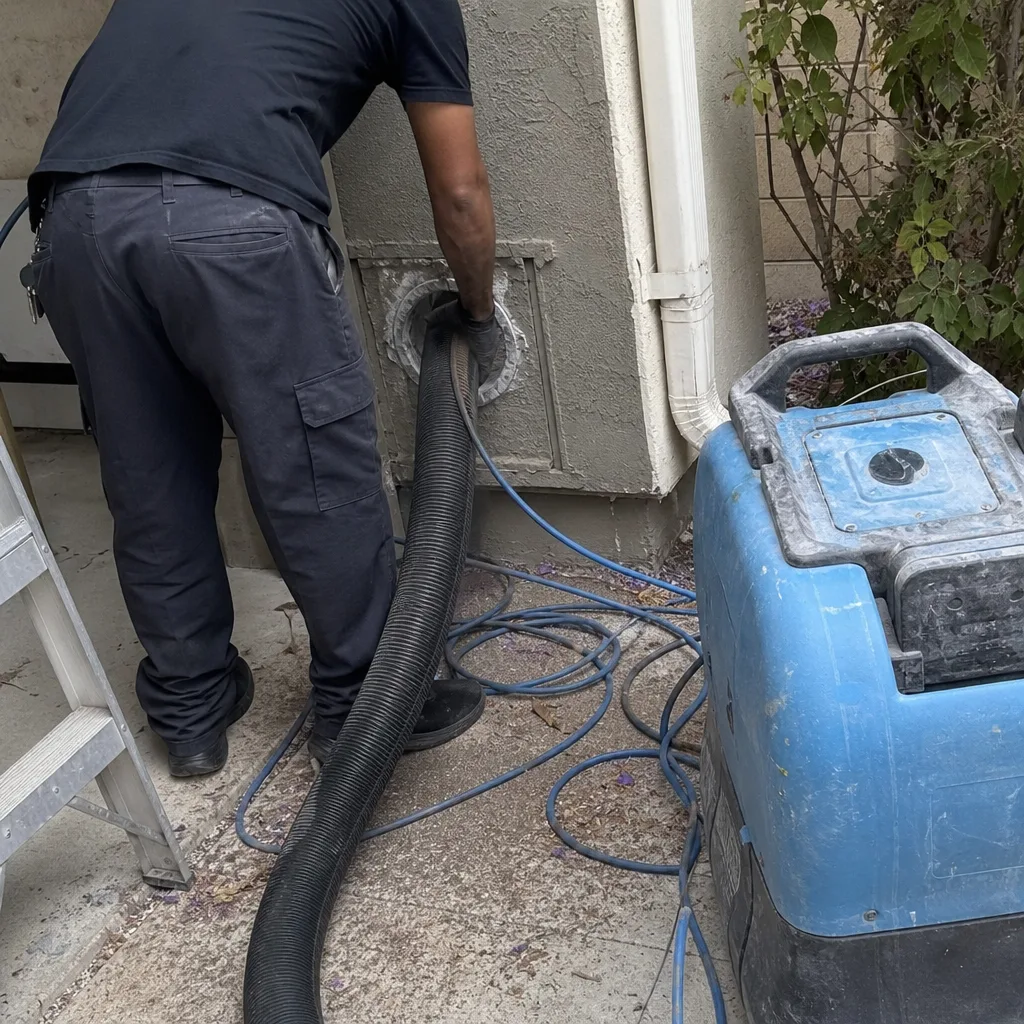 Before
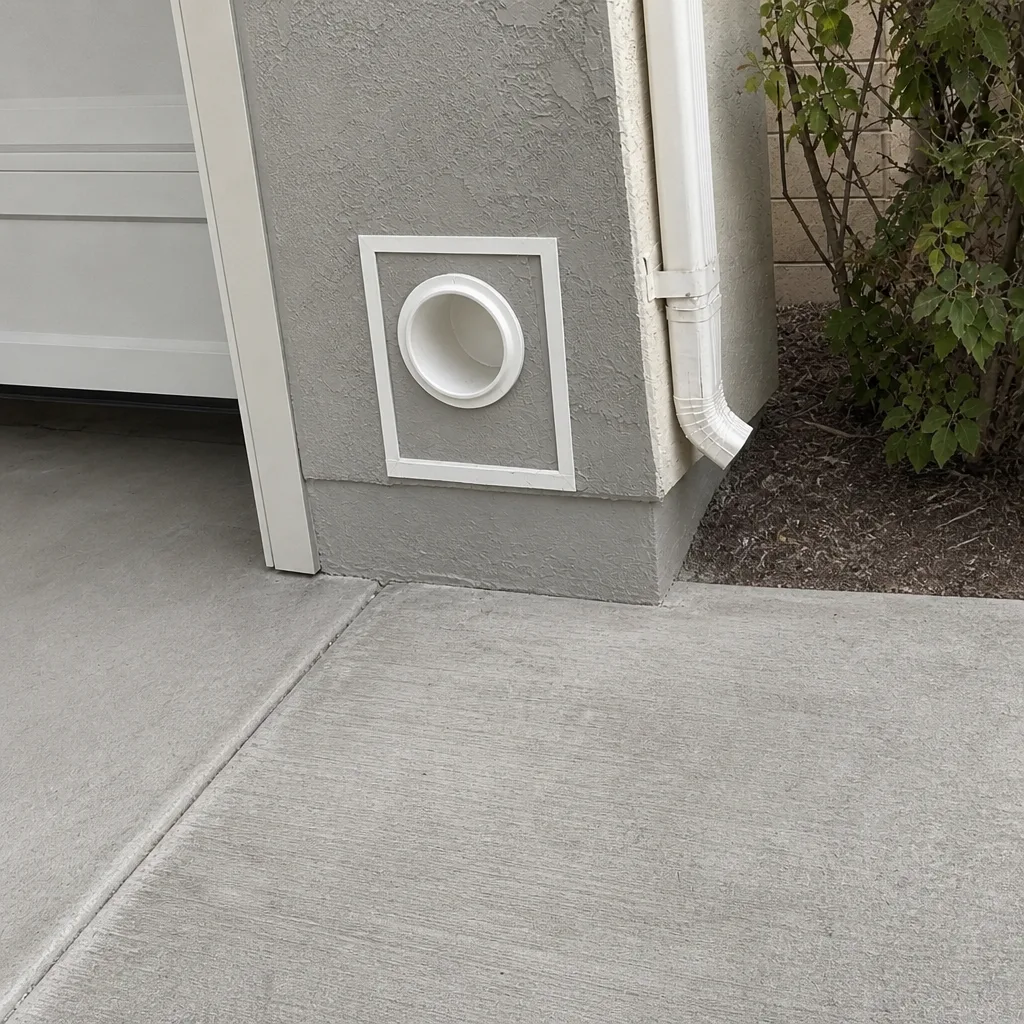 After
When to Call a Professional
Call when the system needs opening – not when a box fan and a shop vac will do. Visible mold growth inside ductwork, a persistent musty smell that returns after filter changes, debris blowing out of registers after cleaning, a duct run that has separated or collapsed, and an air handler that hasn’t been serviced since the filters last mattered all point to the same thing: this needs professional equipment, not a consumer-grade tool.
If a company is proposing an antimicrobial spray, that’s the moment to call a company you can ask the product and registration question of. And if a company is proposing to cut out duct runs and replace them, the license and permit questions apply and you’re entitled to answers.
Air Duct Cleaning Portola Springs offers free estimates in Portola Springs – call (844) 685-3117. We answer 24/7, with fast dispatch from 7am to 7pm, Sunday through Friday.
Frequently Asked Questions
No. Routine air duct cleaning is maintenance and does not require a building permit in Portola Springs or elsewhere in California. The permit question only comes up when the scope includes modification – duct sealing that changes system performance, duct replacement, rerouting, or liner work. Ask the company to state the exact scope in writing, and call your city’s building department if modification is included. Call (844) 685-3117 for an exact cleaning quote – estimates are free.
California regulates a duct-interior sanitizer as a pesticide when it’s applied to control microorganisms, and that brings in the Federal Insecticide, Fungicide, and Rodenticide Act, the California Department of Pesticide Regulation, the county agricultural commissioner, Cal/OSHA for worker protection, and CARB for the product’s VOC content. The practical requirement: the product must be EPA-registered for HVAC duct use and the registration number must be disclosed to you. Ask for it in writing before any spray is applied. Call (844) 685-3117 if you want to talk through a specific scope – estimates are free.
Ask the company for the product name and EPA registration number in writing, then check that the product label lists HVAC ductwork or air handling systems as an approved use. A product registered only for hard, non-porous surfaces isn’t the same registration. Legitimate companies disclose this before the application, not after. Call (844) 685-3117 to schedule a cleaning where the product question never has to come up – estimates are free.
It depends on the scope. Small repairs to failed joints are maintenance and don’t require a permit. Whole-system sealing that changes the system’s leakage rating, or any work that adds, replaces, or reconfigures duct material, is a mechanical alteration and typically does require a permit and a licensed C-20 HVAC contractor. Duct sealing and repair is a service we offer as a standalone, and when the scope crosses into permit territory we tell you before work starts. Call (844) 685-3117 for a free estimate.
Cleaning removes contamination from a functioning system. Restoration repairs, seals, and in some cases rebuilds a system that has lost integrity – crushed runs, disconnected sections, degraded liner, airflow problems. Restoration is construction work and is where the permit and C-20 license requirements apply. We treat cleaning and restoration as separate scopes and quote them separately so you can see exactly what’s being proposed. Call (844) 685-3117 to discuss what your system actually needs – estimates are free.
It can, if the system shows visible modification with no permit record or if joints are sealed with materials that aren’t rated for ductwork. A home inspector will generally note duct modification and leave it to the buyer to ask for the paperwork. Keep your permits, inspection cards, before-and-after photos, and product disclosures together after any duct service – that file answers the question in one page. If the work needs cleaning and sealing together, call (844) 685-3117 for a free estimate.
The Bottom Line
Air duct cleaning itself doesn’t require a permit in Portola Springs. Duct sealing that modifies the system, duct replacement, rerouting, and liner work generally do, and that work needs a licensed C-20 HVAC contractor. Any chemical applied inside your ductwork must be EPA-registered for HVAC use, and you’re entitled to the registration number in writing before it’s sprayed – that’s California pesticide law, not a courtesy. Get the scope in writing, get the photos, keep the permits. And if you’re just after a cleaning with professional equipment and no surprises on the invoice, that’s straightforward.
Call (844) 685-3117 for a free estimate on air duct cleaning, dryer vent cleaning, or duct sealing in Portola Springs. We answer 24/7, with fast dispatch from 7am to 7pm, Sunday through Friday. One flat price per system, agreed before work starts, before-and-after photos of your own ducts, and any sanitizing product disclosed with its EPA registration number in writing. For a system that also needs a sealing scope, ask about the permit question up front – and if a dryer vent is on your list alongside the ducts, add dryer vent cleaning to the same visit.
Written by the team at Air Duct Cleaning Portola Springs.